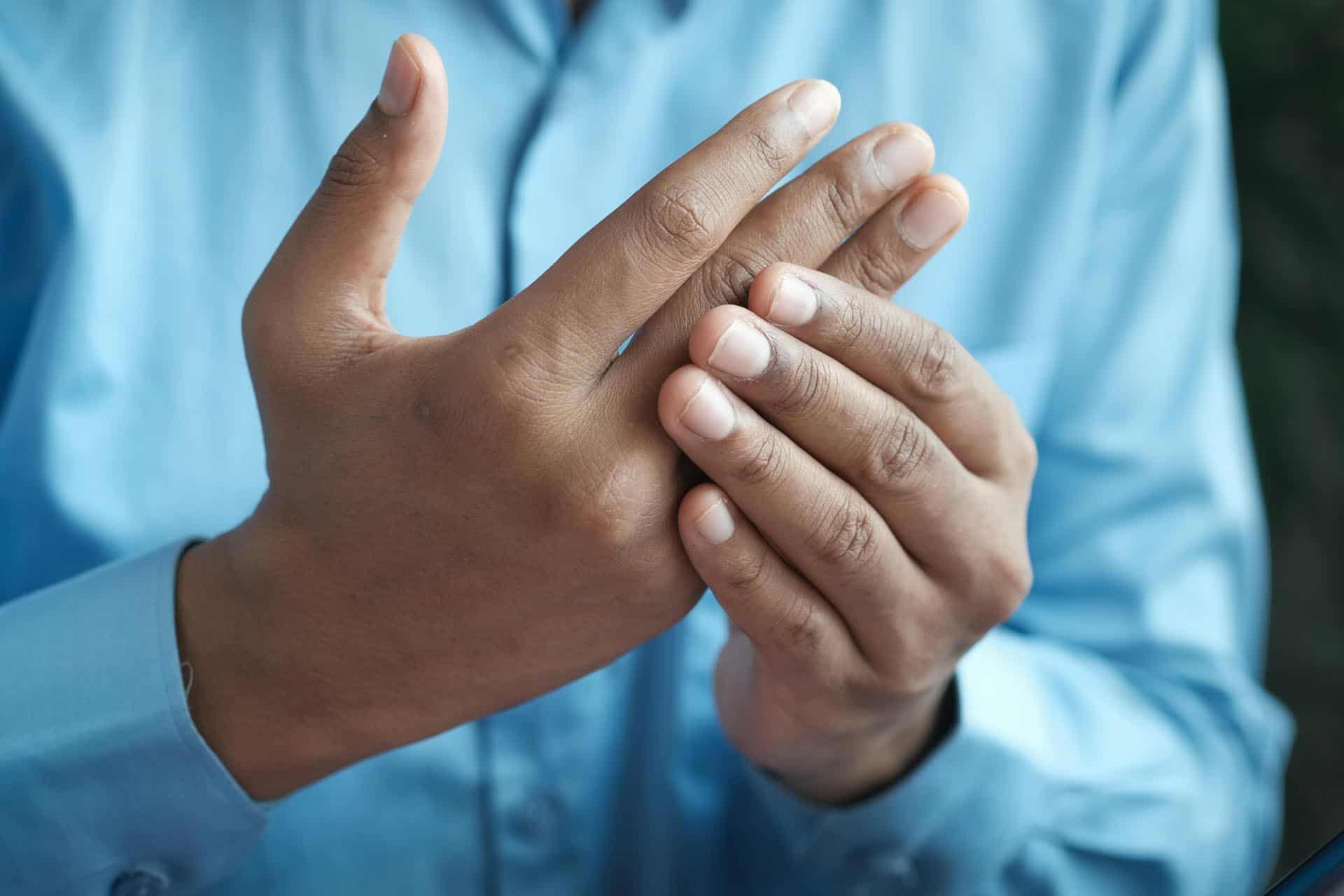
How to Find Shoulder Pain Relief
Your shoulder is the most unstable and moveable joint in your body. Its wide range of motion occurs due to four primary muscles and their tendons, which together are called the rotator cuff. If your shoulder becomes inflamed or an impingement happens, you may make the mistake of trying to avoid using your arm to help it heal. It may surprise you to learn that not moving can actually contribute to more pain or even lead to a frozen shoulder. Controlled movement is one of the best ways to heal.
Common Causes of Shoulder Pain
The most common source of pain in the shoulder is the tendons. Your tendons attach the muscles of the shoulder to the bones. If a tendon becomes trapped, it can result in shoulder impingement. If a tendon becomes inflamed, you may hear it referred to as tendinitis or bursitis. And if a tendon becomes torn, you guessed it; you have a rotator cuff tear.
-
Shoulder Bursitis
If the sac of fluid that cushions your shoulder becomes swollen and painful due to repetitive motions, you may have bursitis.
-
Shoulder Impingement
If your tendons get pinched between or under the bones of your shoulder, it can lead to Lifting overhead repetitively can cause impingement, and it can result in swelling and pain.
-
Rotator Cuff Tear
Your rotator cuff can become damaged due to overuse, injury, or Tears usually cause pain when you try to lift things, and you may hear a popping sound as you move.
Your shoulder and spine work together. While they may seem like two completely different areas, research has shown that movement patterns and postural changes can play an important role in the development of shoulder discomfort. Maintaining healthy mobility throughout your shoulder, neck, and mid-back can help support better movement and reduce unnecessary strain. If you notice shoulder pain, stiffness, or restricted movement, contact us for a complete evaluation. We’ll work with you to create a personalized, movement-based plan that may include options such as recovery-focused soft tissue therapy to support healing, improve mobility, and help you return to the activities you enjoy.
Your Hip vs. SI Joint: What's the Difference?
It can be extremely confusing to figure out the difference between hip and SI (sacroiliac) joint pain. But being able to identify which one is the culprit is crucial when you are looking to find relief. Your SI joint is the connection between your tailbone (sacrum) and your pelvis. The SI joint is very fibrous and only moves a few millimeters. On the other hand, your hip is much less stable and allows your entire leg to move in every plane of motion.
Similar Pain, Different Sources
While the hip and SI joints are very different in structure and function, they share similar pain patterns, making it difficult to tell one from the other. It’s common to have SI joint pain mimic low back pain. Bending backward usually aggravates SI joint pain due to the compression that happens in the joint as you move.
Hip pain is more likely to occur when you walk or if you try to bring your knees to your chest.
-
Hip Pain
Characterized by pain with walking, weight-bearing, and rotating the leg.
-
SI Joint Pain
Difficulties while standing, walking, climbing stairs, getting out of the car.
-
Low Back Pain
Pain that radiates into the buttock or leg and may travel down to the foot.
Suppose you’ve felt discomfort and aren’t exactly sure if it’s coming from your hip, SI joint, or low back. It’s important to work with a chiropractor who takes the time to provide a complete evaluation and personalized care plan. This is especially important because the hips and surrounding structures can experience changes over time, and focusing only on one area may overlook other factors contributing to your symptoms. At Sound Corrections Chiropractic, we take a comprehensive approach to evaluation by looking at movement patterns, biomechanics, and how different areas of the body work together. This allows us to better understand your challenges and create a plan that may include supportive therapies such as laser-focused tissue recovery to help you pursue better movement and an improved quality of life.
Are You at Risk for Chronic Knee Pain?
Knees hurt? You’re not alone. Chronic knee pain is thought to affect up to 25% of adults and can significantly limit your mobility and quality of life. Your knee is a hinge-joint that primarily moves back and forth (flexion and extension) and allows some twisting or rotation. Every step you take places stress and strain on your knees, so it’s no surprise that trauma, misalignment, and degenerative changes can all take their toll.
Steps You Can Take to Reduce Knee Pain
While knee pain may not be entirely preventable, there are steps you can take to keep your knees as healthy as possible. At the top of the list is to watch your weight. For every pound you are overweight, your knee must absorb an extra 4 pounds of pressure when you walk, run or climb stairs. In addition, the cartilage in your knee is designed to last a lifetime if you take care of it.
-
Warm-Up Before Exercising
Stretching your quadriceps and hamstrings before and after you exercise is a smart way to reduce the chance of a flare-up of knee pain.
-
Find Adequate Foot Support
Every step you take transfers force from the bottom of your foot to your knee. Therefore, your shoes should provide the support you need to keep your knees healthy for at least 10,000 steps per day.
-
Maintain a Full Range of Motion
Ensuring your low back and hips are moving freely is essential to overall knee health.

The joints of your body should have a balance of strength and flexibility through their full range of motion. Unfortunately, it’s not uncommon for people with back issues to find themselves struggling with knee pain after limping around for a few weeks. We encourage our patients to be proactive with their health. Use the strategies above to help reduce your chances of knee pain, and be sure to call our practice if you notice any pain or restricted motion.
Tennis Elbow? But I don't even play tennis!
Tennis elbow isn’t just for athletes. Lateral epicondylitis (tennis elbow) is a painful condition that occurs when the tendons in your elbow are inflamed and overloaded due to repetitive motion. Because of the motion that occurs when swinging a racket, it’s commonly referred to as tennis elbow, but anyone who has a job that features repetitive arm motions may be at risk.
How to Reduce Tennis Elbow Pain
Tennis elbow can become a serious issue because of the pain and weakness that make it difficult to perform your daily tasks. Because it’s an injury caused by repetitive motions, and since many of these motions are essential to your job, finding ways to decrease the inflammation and improve biomechanics is critical.
-
Rest
Giving your arm time to rest is important to stop the cascade of inflammation and pain.
-
Ice
Icing, a few times per hour, is a smart strategy to reduce pain and inflammation.
-
Technique
Be mindful of how you are moving your arm, use proper ergonomics, and use a brace for a short time if necessary.

Tennis elbow is often a condition that requires more than simply waiting for symptoms to disappear. Supporting recovery means understanding the factors contributing to your discomfort and creating a plan that addresses movement, strength, and overall function. At Sound Corrections Chiropractic, we focus on two important components of care: personalized exercises that help strengthen supporting muscles and movement-based chiropractic care that may help improve joint mobility and function. Depending on your needs, your care plan may also include comprehensive injury recovery support to help address soft tissue stress, promote recovery, and support your return to the activities you enjoy. If you or someone you know has been struggling with tennis elbow, our team is here to help you explore your options and create a personalized path forward.
Common questions
Overuse injuries typically develop when repeated stress is placed on muscles, tendons, ligaments, or joints without enough time for recovery. Repetitive movements, improper technique, sudden increases in activity, and limited mobility can all contribute to overuse problems.
Common overuse injuries include conditions affecting the shoulder, elbow, knee, and other areas of the body. Examples include tendon irritation, repetitive strain injuries, runner’s knee, tennis elbow, and other movement-related conditions.
Many overuse injuries improve with conservative approaches focused on restoring movement, reducing stress on affected areas, and addressing contributing factors. The appropriate approach depends on the severity of the injury and each person’s individual needs.
Preventing overuse injuries often involves maintaining proper movement patterns, gradually increasing activity levels, incorporating strength and flexibility exercises, and allowing your body adequate time to recover between activities.
Chiropractic care may support recovery from overuse injuries by focusing on movement, joint function, biomechanics, and overall physical wellness. A personalized evaluation can help determine which care options are appropriate for your goals.
Get Back to Doing What You Love
Overuse injuries can be frustrating, especially when they begin interfering with the activities, hobbies, and movements you enjoy most. Understanding what is contributing to your discomfort is an important first step toward creating a plan that supports recovery and long-term mobility.
At Sound Corrections Chiropractic, we take a personalized approach to helping you move better, recover from injuries, and support your body's ability to stay active. Whether you're dealing with shoulder, elbow, knee, or other areas of recurring discomfort, our team is here to help you explore your options.
Ready to take the next step? Get Started with Care and begin your path toward better movement.
Get Started With Care