Feel “not like yourself” after a concussion or accident? You’re not alone.
A concussion doesn’t always look dramatic. Sometimes it’s a fall, a sports hit, or a car accident… and weeks later you’re still dealing with brain fog, headaches, dizziness, or feeling easily overwhelmed.
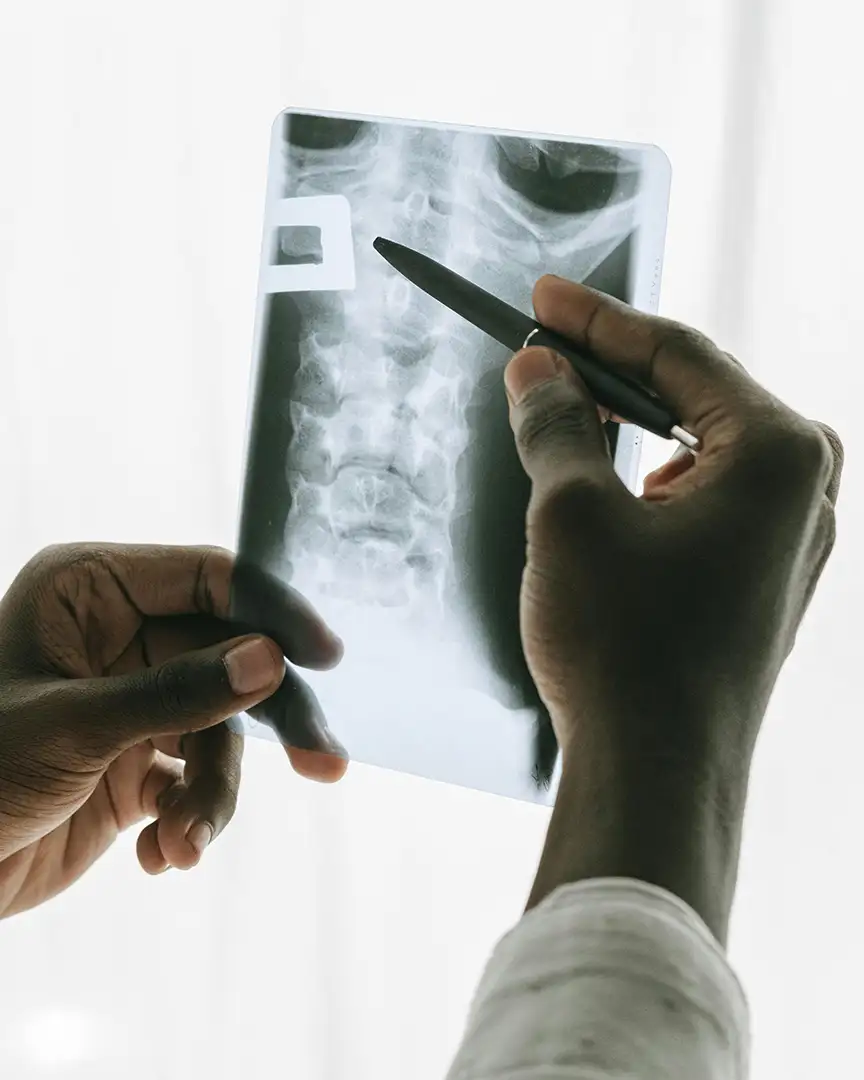
Post-concussion symptoms are frequently associated with upper cervical dysfunction, leading many patients to explore atlas-focused neurological care as part of a targeted recovery approach.
If you’re stuck in that “why am I still not better?” phase, we offer a gentle, structured approach to support recovery.
Many patients pursue neurological recovery support to help improve cognitive function, balance, and nervous system regulation after a concussion.
If you have worsening symptoms, fainting, severe confusion, sudden weakness, or anything urgent, seek medical care right away.
Why we look at the neck and nervous system
After a concussion (and especially after a car accident), the neck and nervous system often take a hit too.
When the upper neck is irritated or not functioning well, it can feed:
Ongoing headaches
Tension and guarding
Dizziness-type symptoms
Feeling "stuck" in a stressed nervous system state
Because concussions can affect both neurological processing and cervical stability, some patients develop recurring post-concussion migraine symptoms alongside brain fog and fatigue.
We don’t claim to “treat concussions.” We provide supportive care that helps many people recover better by improving function and reducing irritation patterns.
Our approach
Gentle & Measurable
We don’t guess. We also don’t do endless care with no clear progress.
Not everyone needs every therapy. We choose the best tools based on yourcase.
What to expect
Visit 1
Exam & Testing
(about 60 minutes)
We listen to what happened and what’s still lingering
We assess movement, balance/stability patterns, muscle firing, and nerve-related patterns
If atlas-specific care is a fit, imaging may be required for precision (3D imaging/CBCT when appropriate)
Visit 2
Report of Findings & First Adjustment
(about 45 minutes)
We review findings and explain what we recommend
First adjustment (when appropriate)
You’ll know the plan, the priorities, and how we’ll measure progress
Common questions
Can you treat concussions?
We don’t claim to treat or cure concussions. We provide supportive care that may help with post-concussion symptoms by improving function and reducing irritation patterns.
I had a concussion and a car accident—does that matter?
Yes. Whiplash and upper-neck issues can be a big part of lingering symptoms.
Will you crack my neck?
No aggressive twisting is required. Our approach is gentle and specific.
How many sessions will I need?
It depends on your history and how your system responds. After your exam and Report of Findings, we’ll outline a plan and track progress.
Ready to feelclearagain?
If brain fog and lingering symptoms are keeping you from feeling like yourself, let’s start with an exam and a real plan.