Inflammation is a protective response
Inflammation is one of your body’s most important protective responses. When you sprain an ankle, strain a muscle, or experience another injury, inflammation helps your body respond to the damage and begin the recovery process.
The problem isn’t inflammation itself. The problem can arise when the inflammatory response becomes excessive, lasts longer than expected, or occurs repeatedly without enough opportunity for the body to recover.
That’s why understanding the difference between acute and chronic inflammation matters. Acute inflammation is generally a short-term response to injury or infection. Chronic inflammation is a longer-lasting process that can be influenced by many factors, including lifestyle, ongoing stress, insufficient sleep, and certain health conditions.
If you’re dealing with persistent aches, stiffness, or difficulty recovering from an injury, understanding inflammation may help you better understand what your body is trying to tell you.
What Causes Inflammation?
Inflammation can have many different causes, and not all inflammation is a sign that something is wrong.
When your body detects an injury, infection, or other threat, your immune system responds by sending cells and chemical signals to the affected area. This response can produce familiar symptoms such as swelling, warmth, redness, and pain.
That short-term response can be an important part of healing.
The bigger concern is when factors continue to place stress on the body and the inflammatory response doesn’t adequately resolve. Chronic inflammation can be associated with a variety of health conditions, but it’s important not to assume that every ache, pain, or symptom is caused by inflammation.
- Poor nutrition and consistently relying on highly processed foods
- Insufficient or inconsistent sleep
- Chronic psychological or physical stress
- Lack of regular physical activity
- Excessive or repetitive physical demands without adequate recovery
- Smoking and other lifestyle factors
- Certain infections, autoimmune conditions, and other medical conditions
Your daily habits don’t determine everything about your health, but they can influence how well your body handles stress and recovers from the demands placed on it.
Acute vs. Chronic Inflammation
One of the easiest ways to understand inflammation is to separate it into two broad categories: acute inflammation and chronic inflammation.
Acute Inflammation
Acute inflammation is your body’s short-term response to something that requires attention.
If you cut your finger, twist your ankle, or strain a muscle, the affected area may become swollen, warm, tender, or painful. These changes are part of the body’s response to the injury.
Acute inflammation generally resolves as the underlying problem improves.
This is one reason why immediately trying to eliminate every sign of inflammation isn’t necessarily the goal. Your body needs an appropriate inflammatory response to begin repairing damaged tissues.
Chronic Inflammation
Chronic inflammation is different.
Instead of resolving after the initial threat or injury has been addressed, the inflammatory response may continue for an extended period. Chronic inflammation can be associated with a wide range of health conditions, including cardiovascular disease, metabolic disorders, and autoimmune conditions.
It can also complicate the recovery process when your body is repeatedly exposed to physical stress without adequate recovery.
The important takeaway is that inflammation isn’t inherently bad. It’s a normal biological process. The goal is to understand what may be driving ongoing inflammation and address the factors that can be changed.
What Can Increase Inflammatory Stress?
Your body is constantly responding to its environment. What you eat, how much you move, how well you sleep, and how you recover from physical demands can all influence your overall health.
Nutrition
Your overall eating pattern matters more than any single “anti-inflammatory” food.
A diet that regularly includes vegetables, fruits, whole grains, lean proteins, healthy fats, and minimally processed foods can provide the nutrients your body needs to function and recover.
On the other hand, consistently relying on highly processed foods and excess added sugars can make it more difficult to maintain healthy habits and metabolic health.
You don’t need to create a perfect diet overnight. Small, sustainable improvements are often a better place to start.

Sleep
Sleep is when your body gets an opportunity to recover from the physical and mental demands of the day.
Consistently inadequate sleep can affect stress regulation, energy levels, immune function, and your ability to recover. If you’re trying to improve your overall health, establishing a consistent sleep routine is one of the simplest places to begin.

Stress
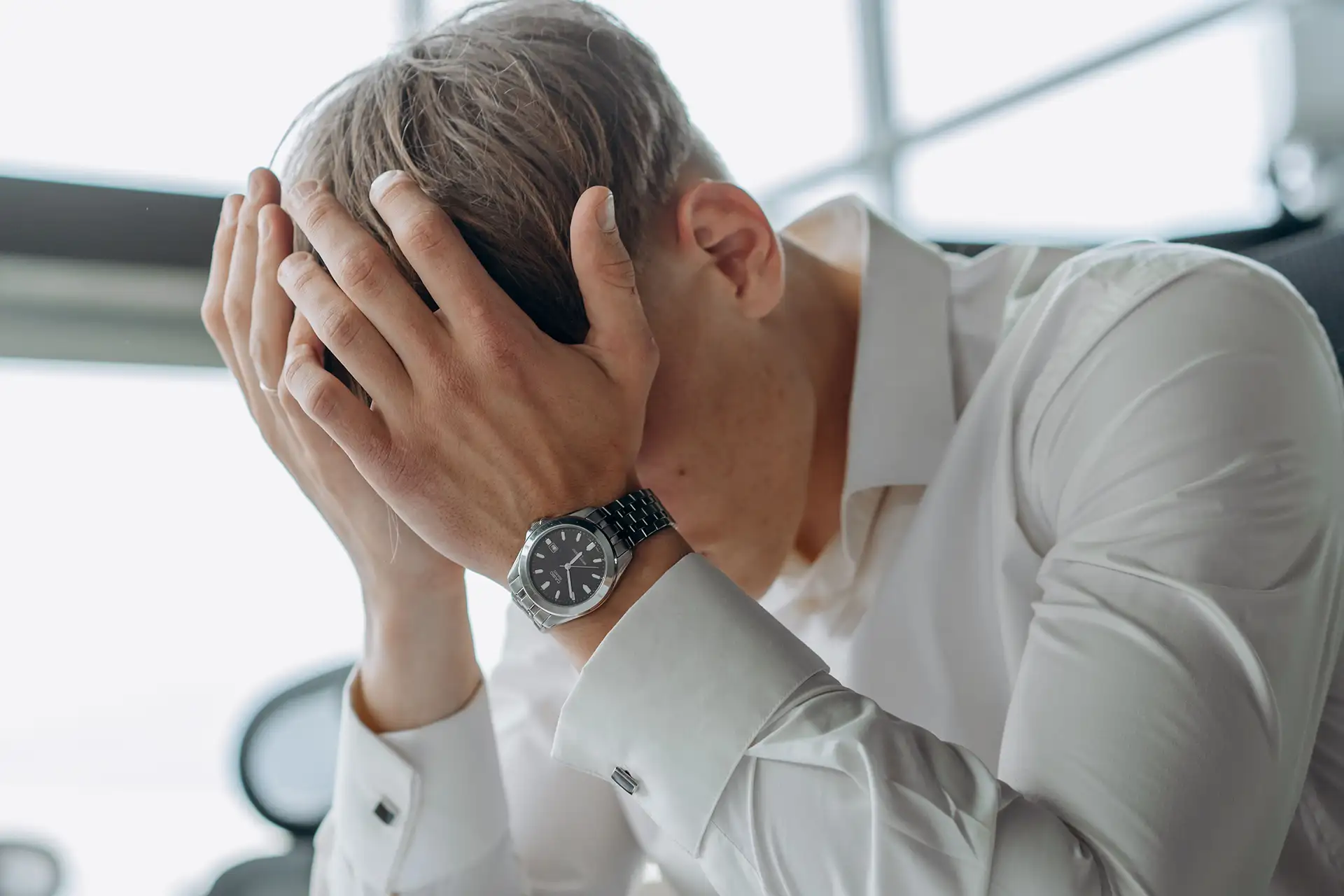
Stress isn’t only psychological.
Your body can experience physical stress from repetitive work, intense exercise, prolonged sitting, poor movement patterns, or recovering from an injury. At the same time, work, relationships, finances, and other aspects of life can create psychological stress.
When multiple sources of stress accumulate without adequate recovery, your body may have a harder time returning to a balanced state.
Movement
Movement is another important part of managing your overall health.
Regular physical activity supports cardiovascular health, muscle strength, joint mobility, and mental well-being. It can also help you maintain the capacity to perform the activities you enjoy.
The key is finding the right balance. If you’re already dealing with an injury or significant pain, simply exercising harder isn’t necessarily the answer.
Sometimes the first step is finding ways to move that your body can tolerate while addressing the underlying problem.

How Can Inflammation Affect Pain and Recovery?
Inflammation and pain are closely connected, but they aren’t interchangeable.
Pain is one way your nervous system alerts you that something needs attention. Inflammation is one of the biological processes that can contribute to that pain.
For example, an injured tendon, irritated joint, or strained muscle may become painful and sensitive as part of the body’s response to injury. The resulting discomfort may then change the way you move.
And that’s where the cycle can become frustrating.
Pain can cause you to move less. Moving less can contribute to stiffness and reduced mobility. Reduced mobility can make certain movements more difficult, which can place additional stress on other parts of your body.
Breaking that cycle often requires more than simply trying to make the pain disappear.
A movement-based evaluation can help identify areas where mobility, strength, or biomechanics may be contributing to the problem.
For example, if you’re experiencing persistent low back pain, inflammation may be only one part of the picture. Understanding the relationship between movement, spinal mechanics, muscle function, and daily habits can provide a much more useful starting point than simply trying to suppress the discomfort.
Inflammation and Chronic Pain
If inflammation and pain continue for an extended period, it can become difficult to determine where one ends and the other begins.
Persistent pain can affect your sleep, activity level, mood, and willingness to exercise. At the same time, reduced activity and poor recovery habits can make it more difficult to regain normal function.
This doesn’t mean that chronic pain is always caused by inflammation. Chronic pain is complex and can involve the nervous system, muscles, joints, previous injuries, lifestyle factors, and many other contributors.
If you’ve been dealing with pain that continues to interfere with your everyday life, learning more about chronic pain may help you better understand why a comprehensive approach can be more useful than focusing on one symptom alone.

How to Support Your Body's Natural Recovery
There isn’t one food, supplement, exercise, or treatment that can eliminate inflammation from your body—and you shouldn’t need one.
Instead, focus on the fundamentals.
Eat a balanced diet
Build your meals around nutrient-dense foods and prioritize variety rather than searching for a single “perfect” food.
Move regularly
Daily movement helps maintain strength, mobility, cardiovascular health, and overall physical function. If pain is preventing you from moving normally, that’s a reason to seek guidance rather than simply becoming less active.
Prioritize sleep
Aim for a consistent sleep schedule and create an environment that allows your body to recover.
Manage stress
Find sustainable ways to manage both psychological and physical stress. Walking, breathing exercises, time outdoors, hobbies, social connection, and appropriate exercise can all be useful tools.
Give your body time to recover
More isn’t always better. Training, working, or exercising intensely without adequate recovery can continue to place stress on irritated tissues.
Recovery should be part of your health routine—not something you think about only after you’re injured.
What About Recovery Therapies?
Lifestyle habits are the foundation, but sometimes your body needs additional support when you’re dealing with persistent pain, an injury, or irritated tissues.
This is where recovery-focused therapies may have a role.
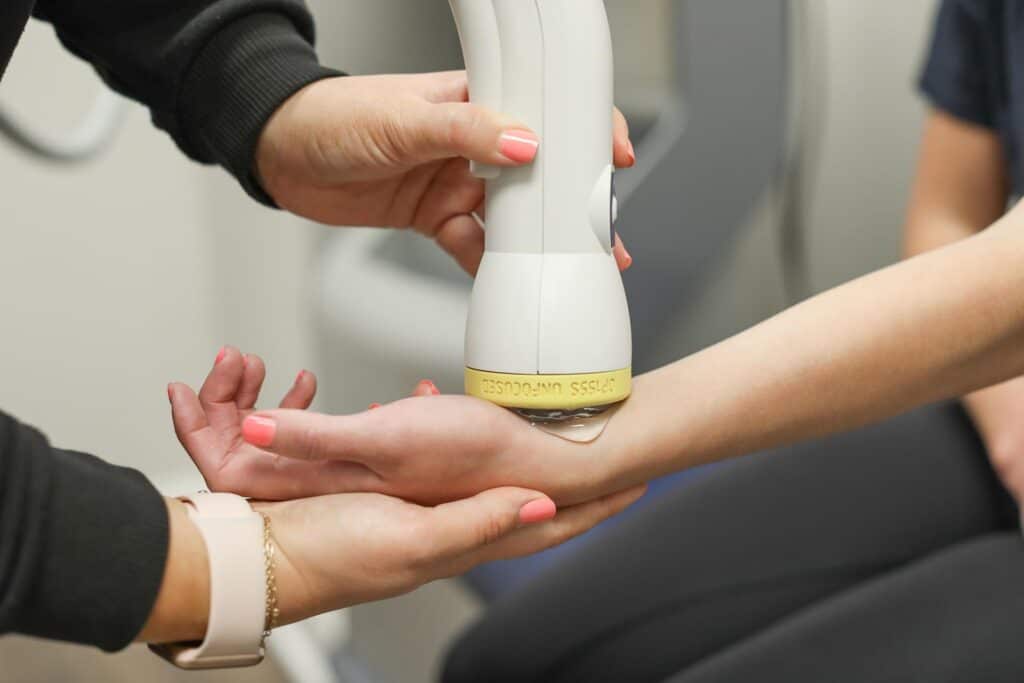
For example, SoftWave Therapy is a non-invasive approach that uses acoustic waves to support the body’s natural recovery processes. It may be considered for certain musculoskeletal concerns, including persistent areas of discomfort, overuse injuries, and soft-tissue conditions.
Similarly, MLS Laser Therapy uses therapeutic light as part of a non-invasive approach to pain and tissue recovery.
Neither therapy should be viewed as a universal solution for inflammation. The appropriate approach depends on what’s contributing to your symptoms, your history, and your recovery goals.
That’s why we believe evaluation should come before treatment.
Movement Is Part of the Solution
When you’re hurting, movement may be the last thing you want to do.
But avoiding movement altogether can sometimes contribute to stiffness, weakness, and reduced function. The goal isn’t to force your body through painful movements. It’s to identify appropriate ways to keep your body moving while allowing irritated tissues time to recover.
That might mean walking, gentle mobility work, specific exercises, strengthening, or gradually returning to an activity that you’ve temporarily had to modify.
For people recovering from repetitive physical demands, understanding the relationship between inflammation, biomechanics, and overuse can also be helpful. Conditions involving the shoulder, elbow, and knee, for example, often require a balance between allowing irritated tissues to recover and maintaining appropriate movement.
When Should You Get Help?
Not every episode of inflammation or soreness requires professional care.
A minor injury may improve with appropriate activity modification, rest, sleep, and gradual return to normal movement.
- Pain or swelling persists instead of improving.
- You repeatedly experience the same injury or flare-up.
- Pain is preventing you from exercising or performing normal activities.
- Your range of motion has decreased.
- You are compensating or changing how you move because of pain.
- An injury continues to limit your ability to work or participate in activities you enjoy.
- You're dealing with chronic pain that hasn't responded to the strategies you've tried.
And if you have significant swelling, severe pain, fever, unexplained weight loss, chest pain, difficulty breathing, or other concerning symptoms, seek appropriate medical attention rather than assuming inflammation is the cause.
A Personalized Approach to Pain and Recovery
Inflammation is a normal part of how your body responds to injury and stress. The goal isn’t to eliminate inflammation altogether. Instead, it’s to understand when inflammation is serving a useful purpose, when it may be contributing to ongoing symptoms, and what factors may be preventing your body from recovering normally.
At Sound Corrections Chiropractic, we begin with an evaluation rather than assuming every person needs the same treatment. We look at your history, movement, symptoms, and goals to help determine what may be contributing to your current challenges.
Depending on what we find, your plan may include movement strategies, chiropractic care, exercise recommendations, or recovery-focused therapies such as SoftWave Therapy or MLS Laser Therapy.
If you’ve been dealing with persistent pain or an injury that is keeping you from moving the way you’d like, you don’t have to figure it out on your own.
Frequently Asked Questions About Inflammation
Inflammation is a biological response that helps your body respond to injury, infection, or other threats. Acute inflammation is generally short-term and can be an important part of healing, while chronic inflammation can persist for longer periods and may be associated with various health conditions.
Inflammation can have many causes, including injury, infection, repetitive physical stress, certain medical conditions, and lifestyle factors. Nutrition, sleep, physical activity, stress, and smoking can also influence overall inflammatory health.
No. Acute inflammation is an important part of the body’s normal response to injury and infection. The concern is more often related to inflammation that is excessive, persistent, or associated with an underlying health condition.
Inflammation can contribute to pain and sensitivity, particularly when tissues are injured or irritated. However, pain is complex and isn’t always caused by inflammation. Persistent pain may involve multiple factors, including the nervous system, muscles, joints, and movement patterns.
Regular physical activity can support overall health and has been associated with beneficial effects on inflammatory processes. However, the appropriate amount and type of exercise depend on your health, fitness level, and whether you’re currently recovering from an injury.
Poor or insufficient sleep can affect immune function, stress regulation, and recovery. Maintaining a consistent sleep schedule and prioritizing adequate sleep can be an important part of supporting overall health.
SoftWave Therapy is a non-invasive recovery therapy that may be incorporated into care for certain musculoskeletal conditions and areas of persistent discomfort. Whether it is appropriate depends on your symptoms, history, and individual recovery goals.
Consider an evaluation if pain or swelling persists, repeatedly returns, interferes with your normal activities, or prevents you from exercising and moving normally. Significant or unexplained symptoms should be evaluated by an appropriate healthcare professional.
Take the Next Step Toward Better Recovery
Inflammation is only one piece of the recovery process. If persistent pain, stiffness, or an injury is making it difficult to move and live the way you want, the most useful next step may be figuring out why your body isn't recovering the way you'd like it to.
At Sound Corrections, we'll start with a comprehensive evaluation and use what we learn to help you understand your options. Depending on your individual needs, that may include movement-based care, chiropractic care, or recovery-focused therapies designed to support your body's natural healing process.
Ready to take the next step? Get Started with Care and let our team help you build a personalized path toward better movement and recovery.
Get Started With Care