
Archive page
What Causes Inflammation?
Chronic inflammation is one of the most significant health issues many of us will face today. It’s been linked to everything from chronic pain to a wide range of other mild and serious medical conditions.
It’s important not to mistake acute inflammation for chronic inflammation.
Acute inflammation describes your body’s natural defense mechanism against injuries or toxins. When your immune system is constantly stressed, it can then lead to chronic inflammation which in turn can lead to other conditions.

Chronic Inflammation
In 2014, it was estimated that over 50% of people had at least one chronic condition, and 40% had more than one.
Chronic inflammatory diseases can include respiratory and heart disorders as well as diabetes. The majority of these disorders are linked directly to our lifestyle choices. Each day you have the option to either increase or decrease your state of inflammation.
Here are some fundamental ways to start taking your life back from chronic inflammation:
- Eat Fruits and vegetables are high in natural antioxidants and may protect the body against inflammation.
- Get enough Maintaining a regular sleep schedule can reduce your physical and emotional stress levels, which has been linked to a lower risk of chronic inflammation.
- Stay Exercise can lower the amount of pro-inflammatory chemicals in your body and benefit your cardiovascular and mental health.
Reducing your risk of chronic disease and inflammation begins with the choices you make each and every day, and we’re here to help you make the best decisions to help you live a full, active, and healthy life.
If you believe you’re not eating, sleeping, or moving as well as you would like, be sure you have an appointment scheduled with us. Together, we’ll analyze your habits and create a plan to get you and your well-being back on track.
Most Chronic Diseases are Linked to Inflammation
One of the most important health discoveries of the past 20 years has been that the immune system and inflammatory process are involved in nearly every mental and physical health problem we encounter today. It’s safe to say that chronic inflammation is a leading cause of chronic disease.
The Effects of Chronic Inflammation on the Body
Chronic inflammation is a condition that can affect your immune system and can influence all of your organs, tissues, and cells. Unlike the normal inflammatory response that happens after an injury and goes away within a few days, chronic inflammation is an abnormal response that can last years.
Here are just a few of the ways chronic inflammation can affect your body:
- Chronic inflammation can cause your immune system to function sub-optimally.
- Fatigue, increased blood pressure, insulin resistance, and poor appetite have also been linked to chronic inflammation.
- Heart disease and other neurodegenerative disorders have been linked to long-term chronic inflammation.
It’s true. It’s impossible to prevent chronic disease completely, but you have the power to reduce your risk every day. Taking action steps like eating right and exercising each day have been shown to dramatically decrease chronic inflammation and your likelihood of developing a chronic disease.
Know we’re here to help you live an active and fulfilling life. We understand that it’s hard to get enough exercise each day when you’re in pain. We hope you’ll take a moment to schedule a movement assessment with us so we can create a plan to help you start moving and feeling better.
Let’s take the first step towards reducing your risk of chronic disease together!
How Inflammation Affects Your Body
Inflammation is like a check engine light for your body. It tells you that something isn’t quite right, and you should pay attention.
The first step in discovering the cause of the problem is determining whether you have acute or chronic inflammation.
Acute inflammation is short-term and plays a critical role in healing and injury repair. Chronic inflammation on the other hand describes a condition where your immune system continues to produce white blood cells and chemicals even after the injury is gone.

The Signs of Chronic Inflammation
The combination of chronic inflammation and an excess of white blood cells can cause some problems for your immune system. In some cases, your immune system may even begin to target healthy cells and structures. If sustained over a long period of time, you may experience changes in your cells, tissues, and organs that can increase the likelihood of disease. Of course, one of the most significant challenges is that chronic inflammation can be invisible unless you know where to look.
Here are a few of the most common signs of chronic inflammation:
- Insulin Insulin helps control the sugar level in your blood, and inflammation could affect how well your insulin works.
- Muscle Chronic inflammation can cause your immune system to mistakenly attack and inflame your muscles, which could make you weaker.
- Fatigue is a sign of long-term inflammation and common in inflammatory diseases like fibromyalgia, multiple sclerosis, lupus, and rheumatoid arthritis.
If you’ve been living with muscle weakness, fatigue, or other nagging pains, you may also be living with chronic inflammation. It’s often your daily habits that contribute to this state of chronic inflammation.
Know that our team specializes in helping you create a healthy lifestyle through daily habits that combat chronic inflammation. We invite you to take the first step towards better health by scheduling your next visit with us today so we can work together to help you feel and function at your best.
How to Reduce Pain and Inflammation Naturally
While the inflammatory process is extremely complex, the solutions aren’t. Reducing pain and inflammation naturally is simple with the right strategy. Maintaining a healthy weight, eating a balanced diet, getting enough sleep, and exercising regularly are all ways that have been shown to effectively reduce pain and inflammation naturally.
Don't Wait to Get Care
Your diet and daily exercise routine play a huge role in managing chronic inflammation because each influences your weight and sleep patterns. Foods high in antioxidants (like berries, turmeric, green vegetables) can lower your overall inflammation and provide you with more energy. Daily exercise can help protect you against conditions such as heart disease and obesity, which have both been linked to chronic inflammation.
Did you know…
- Antioxidants known as polyphenols can lower inflammation.
- Even 20 minutes of daily exercise can have an anti-inflammatory effect.
- Proper sleep patterns encourage recovery and can lower stress and inflammation levels.
Reducing pain and inflammation naturally starts with your ability to move your body and exercise daily. If you notice an injury or pain is slowing you down, take a moment to schedule an appointment with us today.
Our expert team will work with you side by side to help you move better, and once you start moving better, everything else becomes easier! Give us a call. Let’s make chronic inflammation a thing of the past.
Is Inflammation Causing You Pain and Discomfort?
Call or schedule an appointment online and we can help you reduce your inflammation and finally let your body begin its healing journey.
Schedule an AppointmentContact UsWhy Does My Neck Hurt?
Your neck has a tough job. It has to hold, stabilize, and move the weight of your head every day for a lifetime. Holding up 11 pounds may not seem like a lot, but the seven bones and 20 muscles of your neck need to work together in harmony for you to move your head around and keep that weight balanced. Postural changes, sudden injuries, and arthritis are a few of the primary causes of neck pain. Pain can often be traced to a problem with either the muscles, bones, discs, or nerves in your neck. In some people, neck discomfort may also occur alongside cervical tension and migraine symptoms, making it important to consider how the structures and movement of your neck may relate to recurring headaches.
Respond Proactively to Your Pain
If you’ve ever been unable to turn your head for a day or two, you know how debilitating and life-changing neck pain can be. The sharp muscle spasms that restrict your ability to move can happen when your body tries to protect a spinal joint that isn’t moving correctly.
Almost every bone in your neck has a pair of sliding joints towards the back called facet joints. If an adhesion forms or the joint is stuck, your body will try to compensate or work around the issue for a little while. But, over time, this compensation can cause a cascade of additional challenges.
- Sudden injuries, arthritis, and postural issues can all contribute to neck pain.
- The small sliding joints (facet joints) of your neck can become stuck and cause muscles spasms and pain.
- Gentle spinal adjustments combined with daily stretching can help restore the motion of your facet joints and reduce pain.

Pain in your neck is your body’s way of saying “pain attention”! Even if it eases up by the end of the day, it’s a smart idea to have us evaluate your motion. Movement assessments are a part of our examination and provide us with an incredible amount of information about your body. By taking a proactive approach today, you may be able to prevent future episodes of neck pain and stiffness in the future.
Stenosis: How a Pinch in Your Neck Can Affect Your Whole Body
Have you been told that you have spinal stenosis? If so, you’re not alone. Millions of people suffer from spinal stenosis each day, and it’s the number one reason people over 65 years old have spine surgery. Spinal stenosis is the compression, or pinching, of your spinal cord. It can occur due to a disc herniation, bone spur, or ligament overgrowth. However, drugs and surgery are not the only way to find relief.
Take the Pressure Off
For many people, the most significant challenge associated with spinal stenosis is the decreased ability to get up and move! Severe pinching in your neck can cause issues with your arms and legs. One of the best ways to relieve the symptoms associated with spinal stenosis is to open up the spinal canal and take the pressure off the nerves and spinal cord. Many chiropractic techniques focus on decreasing the pressure on your spinal cord, relieving the symptoms associated with spinal stenosis.
- Spinal stenosis is a narrowing of the spaces within your spine, which can put pressure on the nerves that travel through the spine.
- Spinal stenosis is most commonly caused by degenerative changes in the spine related to osteoarthritis.
- Relief can often be found by building up your strength while improving the flexibility and stability of your spine with chiropractic care.
After chiropractic care, many patients report having a decrease in their symptoms, the ability to walk further without pain and find an improvement in their overall quality of life. If you have been slowed down due to spinal stenosis, do not hesitate to schedule an evaluation with us. We will provide a complete evaluation and guide you towards the best treatment options to find relief.
Is My Arm Pain Coming from My Neck?
Pain in your hand, wrist, or arm can be frustrating. You don’t realize how much you use your arms and hands until pain, numbness, or tingling gets in the way. Most of us don’t usually think that an issue in our neck may cause our arm pain. But it’s very common that arm pain can be traced back to a nerve issue in your neck.
Pinched Nerves Can Affect The Arms, Hands, and Shoulders
Hand, wrist, and arm pain often starts with a neck problem. When a spinal disc in your neck irritates or presses on a nerve, it can result in arm pain. Just like the power lines that bring electricity to your house, your brain and spinal cord split into individual nerve roots that deliver information to every part of your body. The nerves in your neck are specifically focused on providing strength and sensation to your head and arms.
- A bulged or herniated disc in your neck can irritate or compress the nerves that travel to your hands, arms, and shoulders.
- A recent study of people with cervical (neck) disc herniation showed improvement in over 86% of people who received chiropractic adjustments.
- Improving spinal mobility, decreasing inflammation, and improving your posture may help prevent future episodes of neck and arm pain.

A painful arm caused by a pinched nerve in your neck very rarely requires surgery. Many people can find relief through conservative approaches such as chiropractic care, movement-based strategies, and other supportive therapies. Reducing inflammation and giving irritated tissues time to recover are important parts of a comprehensive plan we use to help our patients reduce their symptoms and get back to the activities they enjoy.
It’s also important to consider what may be contributing to ongoing stress on the neck in the first place. Maintaining healthy postural alignment and cervical stability can help support the structures of your neck, encourage balanced movement, and reduce unnecessary strain that may contribute to recurring symptoms. Combined with appropriate care and healthy movement habits, improving your posture can be another helpful step toward supporting long-term neck and arm function.
Neck Pain: How To Find Relief
An episode of neck pain can quickly hamper your everyday activities. Whether you began experiencing pain due to an injury, degenerative spinal changes, or poor posture, it can be difficult to think about anything except the pain when you’re struggling. It’s estimated that 70% of people experience neck pain at some point in their lives, but you should know there are conservative paths toward relief.
Small Adjustment. Big Changes.
Neck pain can create everything from headaches to pain in your arms and hands to pain directly in your neck. Different types of pain can point to different contributing factors. Some common contributors to neck pain include strained muscles, restricted spinal joints, injuries, and postural stress. Each of these challenges can cause significant discomfort and may have you fearing that you have a more serious issue. With a proper examination, our team can evaluate your movement and identify factors that may be contributing to your symptoms so we can develop a personalized plan of care.
- Facet joints are small spinal joints at the back of your spine that can become restricted and contribute to pain and stiffness.
- Muscle strains can occur from prolonged postures at your desk, repetitive activities, or even sleeping in an awkward position.
- Movement-based care can support recovery by addressing inflammation, mobility, and healthy range of motion.
A small adjustment can make big changes in your quality of life. Our practice is focused on helping you feel (and function) better by improving your spinal motion and then providing you with the stretches and exercises you can do at home to continue your improvement. If neck pain has got in the way of you enjoying your life- give us a call. Our team is here to help.
A small adjustment can make a big difference in your quality of life. Our practice focuses on helping you move and function better through individualized care that may include specific adjustments, mobility work, stretches, and exercises you can continue at home. For some patients, upper cervical structural correction may be an important part of that approach, particularly when an evaluation indicates that the upper neck and its movement patterns need specific attention.
If neck pain has gotten in the way of enjoying your life, don’t simply learn to live around it. Our team is here to help you understand what’s contributing to your symptoms and develop a plan that supports healthier movement and long-term function.
Common questions
Neck pain can have many potential causes, including poor posture, prolonged computer or smartphone use, muscle tension, restricted joint movement, injuries, repetitive activities, and age-related changes. Identifying the factors contributing to your particular symptoms is an important part of choosing an appropriate approach to care.
Poor posture can place additional stress on the muscles, joints, and other structures of the neck, particularly when you maintain the same position for long periods. Improving movement habits, taking regular breaks, and addressing contributing mobility restrictions may help support healthier neck function.
Previous injuries can sometimes contribute to ongoing or recurring neck symptoms, particularly when they affect movement patterns or how the surrounding structures function. A comprehensive evaluation can help determine whether a previous injury may be contributing to your current discomfort.
Consider seeking an evaluation if your neck pain is persistent, recurring, worsening, interfering with daily activities, or accompanied by other concerning symptoms. Sudden or severe symptoms following an injury should receive prompt medical attention.
Chiropractic care may help support healthy neck movement and joint function for some people with neck pain. The appropriate approach depends on the underlying factors, your health history, and your individual needs, which is why a thorough evaluation is an important first step.
Take the Next Step Toward Better Neck Health
Neck pain can have many contributing factors, from prolonged screen use and poor posture to injuries, restricted movement, and changes in the structures that support your neck. Understanding the potential causes is an important first step, but persistent or recurring discomfort deserves more than simply trying to work around it.
At Sound Corrections Chiropractic, we take a comprehensive approach to evaluating neck pain and movement. By looking at your history, posture, mobility, and individual needs, we can help you understand what may be contributing to your symptoms and develop a personalized plan of care.
Ready to find out where to start? Get Started with Care today.
Get Started With CarePerfect Posture is Dynamic
Is there such a thing as perfect posture? The answer may surprise you. The latest research shows that it’s actually more beneficial to think about your posture as dynamic, not static. In other words, your ideal posture is constantly changing and evolving.
The Negative Effects of Poor Posture
Think of your posture as a dynamic pattern of responses, reflexes, and habits–not just as a fixed position.
Gravity, your work environment, and your body’s anatomy all play essential roles. For instance, sitting for hours at a time staring at a computer screen is a perfect example of a damaging static posture that over time can lead to the development of chronic forward head posture.
Gravity, your work environment, and your body’s anatomy all play essential roles. For instance, sitting for hours at a time staring at a computer screen is a perfect example of a damaging static posture that over time can lead to the development of chronic forward head posture. Understanding the postural causes of chronic neck tension can also help explain why prolonged positions and altered movement patterns may contribute to recurring neck discomfort.
Forward head posture affects millions of people who spend their days using computers and has the potential to cause pain and degenerative changes in your spinal joints. It places stress on the neck and shoulders and weakens the supporting muscles.
- Forward head posture affects millions and results in neck pain for up to 75% of those affected.
- Neck pain, tension, stiffness, and tenderness are all signs of chronic forward head posture.
- Trapezius strengthening has been shown to provide clinically significant relief for those struggling with neck pain as a result of forward head posture.
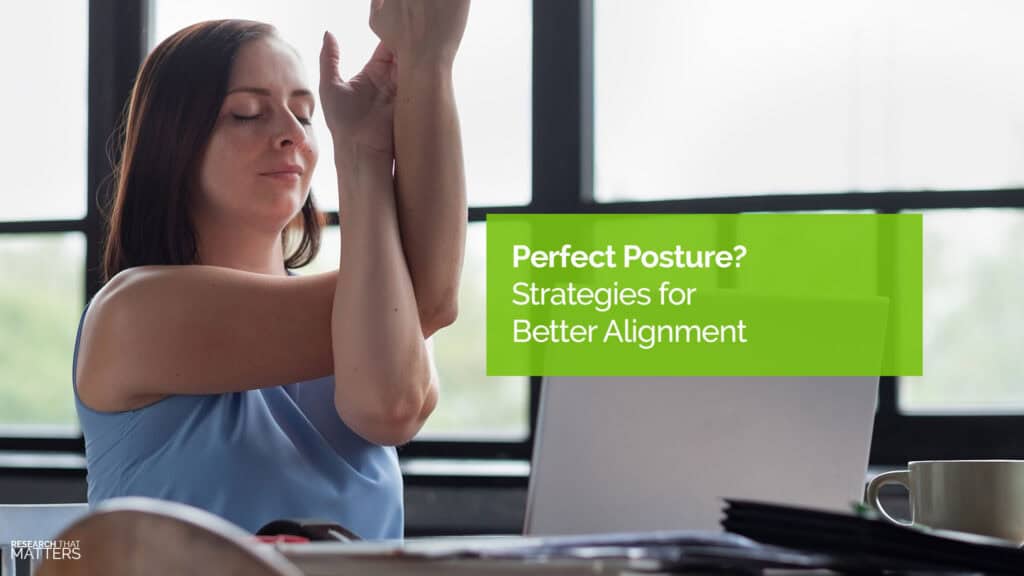
If you spend long hours each day in a single position (such as sitting at a computer) it’s important to take the time to take periodic breaks to stretch and move your body.
Remember, posture is dynamic, and stretching can help not only “reset” your posture, but also help keep your spine healthy and your energy levels up!
Scheduling a posture and movement assessment with us is also a smart idea to help ensure you remain as pain-free as possible no matter how you spend your days.
How to Improve Your Posture
When discussing posture, we’re often referring to the overall position of your body as you stand, sit, or lie down.
Most experts would agree that a “good” overall posture involves physical positions that reduce stress on the body by balancing the load placed on the muscles and ligaments that support the spine.
If you’ve looked in the mirror and noticed that your posture doesn’t look as balanced as you’d like–not to mention, doesn’t feel as balanced as you’d like–you may be wondering what you can do to improve it.
Healing Through Motion
One of the best ways to improve your posture is through motion.
Changing positions frequently during the day, stretching, and specific postural exercises are all ways to improve your posture.
Good posture helps you maintain better alignment of your bones and joints, which may reduce unnecessary wear and tear and decrease strain on the muscles and ligaments that support your spine. Over time, consistently poor movement patterns can contribute to postural stress and lower back dysfunction, particularly when your body repeatedly compensates for imbalances during sitting, standing, or everyday activities.
- Good posture means keeping your spinal curves aligned and weight evenly distributed.
- Stretches and exercises can help improve your posture and reduce your risk of neck and back pain.
- Standing desks have been shown to reduce back pain by over 30% when compared to sitting at a desk.
When creating a plan to improve your posture, remember that stretching and exercising are essential. Equally important is knowing where to start.
Our postural and movement assessments can help you determine the best strategy to help balance and improve your posture, especially if you’ve been living with pain.
How Your Smartphone Impacts Your Posture
Believe it or not, many of us spend 3 hours or more per day on our smartphones. That adds up to over 1,000 hours each year! And the positions we tend to hold our heads in while using our devices can be, well… damaging. Damaging to your posture, and damaging to your spine. It’s not surprising that over the past few years, an uptick of these awkward positions has led to an uptick in head and neck pain.
"Tech Neck"
It’s estimated that tilting your head forward, even just 15 degrees, can triple the weight of your head on your neck. In fact, tilting your head forward 60 degrees can increase the stress and strain on your neck ten times over.
Repeating this forward head posture again and again over time can result in pain, stiffness, dysfunction, headaches, and more–a group of symptoms often referred to as “Tech Neck.”
The good news about postural stress and “Tech Neck” is that a few simple changes to your routine can help you reduce your risk of experiencing pain.
- "Tech Neck" is the term used to describe the flexed head and neck position that occurs when looking down at your smartphone.
- Just 15 degrees of forward bending can increase the stress of your head on your neck three times over.
- Taking breaks every 15 minutes and looking up from your phone or tablet can help your body reset and give your muscles a chance to relax.

Know that reducing your “Tech Neck” symptoms involves more than just changing the angle you look at your phone. Proper ergonomics and regular stretching and exercise all play significant roles in helping you continue to enjoy your favorite devices without those nagging pains.
If you’ve been living with “Tech Neck” and are ready to take action, you’ve come to the right place! Our expert team can evaluate your posture and movement and create a personalized plan based on your needs. And if your neck is already sore, stiff, or particularly sensitive, you may appreciate gentle posture-focused chiropractic care as part of that plan. The Activator Method uses a handheld instrument to deliver a controlled, low-force adjustment, offering an option for people who prefer a gentler approach to chiropractic care.
Posture: Balancing Strength and Flexibility
Both strength and flexibility play a significant role in how your posture develops.
For instance, having both a strong and flexible core helps the body to dynamically adapt to every environment. The spine is not only supported but also moves well, reducing the possibility of injury or pain. While it’s true that “perfect” postures may not exist, improving our strength, flexibility, and ergonomics goes a long way towards improvement.
Don't Wait to Get Care
Your body is dynamic, and it’s designed to move, but over time it may feel a bit less dynamic than it used to!
Getting into a wellness routine that includes exercises that focus on strength and flexibility is a smart way to keep your body feeling young while promoting good posture–a true win-win.
Strengthening exercises can help develop proper support for your joints and decrease overall postural stress. Incorporating stretches and exercise that focus on flexibility then help you body maintain the ability to move through its full range of motion.
- When you focus on increasing muscular flexibility, your posture is likely to improve.
- Lifting weights strengthens your back, shoulder, and core muscles, which are all essential to standing with proper posture and preventing lower back pain.
- Stretching your muscles and joints also leads to a greater range of motion, improved balance, and increased flexibility.
Remember, postural stress can add up over time. Just because you’re not currently in pain doesn’t mean that everything is functioning at its highest level or that your daily wellness routine is as optimized as it could be.
Our team specializes in comprehensive, individualized care plans that may incorporate movement assessments, exercises, stretches, and specific chiropractic care. For patients who may benefit from a more targeted upper cervical approach, structural alignment and nervous system balance can be an important part of supporting healthy posture and overall function.
If you’d like to learn more about how we can help you improve your movement, posture, and overall wellness, schedule an appointment with our team. We’re here to help you build a healthier foundation for the way you move every day.
Common questions
Poor posture can develop from prolonged sitting, repetitive activities, limited mobility, muscle weakness, and habits such as spending long periods looking down at a phone or computer. Multiple factors can contribute, so improving posture often involves more than simply “sitting up straight.”
Poor movement patterns and prolonged postures can place additional stress on muscles and joints, potentially contributing to neck, back, and shoulder discomfort. However, pain can have many possible causes, so a proper evaluation is important when symptoms persist.
Regular movement, strengthening, stretching, ergonomic adjustments, and taking frequent breaks from prolonged sitting can all support healthier posture. Becoming more aware of how you sit, stand, work, and use digital devices can also help you develop better movement habits.
Chiropractic care may support healthy posture by addressing movement restrictions, joint function, and other factors that can affect how your body moves. A personalized evaluation can help determine which approaches may be appropriate for your individual needs.
There isn’t a single schedule that applies to everyone. An evaluation may be helpful if you notice recurring discomfort, restricted movement, changes in posture, or difficulty maintaining healthy movement patterns during work, exercise, or daily activities.
Support Better Posture and Movement
Good posture isn't about holding your body perfectly still all day. It's about having the mobility, strength, and movement patterns that allow your body to function comfortably through everyday activities. If poor posture, stiffness, or recurring discomfort is making it difficult to move the way you'd like, a personalized evaluation can help identify areas that may need attention.
At Sound Corrections Chiropractic, we use movement and postural assessments to better understand how your body is functioning and create a care plan based on your individual needs.
Ready to take the next step? Get Started with Care today.
Get Started With CareHow to Find Shoulder Pain Relief
Your shoulder is the most unstable and moveable joint in your body. Its wide range of motion occurs due to four primary muscles and their tendons, which together are called the rotator cuff. If your shoulder becomes inflamed or an impingement happens, you may make the mistake of trying to avoid using your arm to help it heal. It may surprise you to learn that not moving can actually contribute to more pain or even lead to a frozen shoulder. Controlled movement is one of the best ways to heal.
Common Causes of Shoulder Pain
The most common source of pain in the shoulder is the tendons. Your tendons attach the muscles of the shoulder to the bones. If a tendon becomes trapped, it can result in shoulder impingement. If a tendon becomes inflamed, you may hear it referred to as tendinitis or bursitis. And if a tendon becomes torn, you guessed it; you have a rotator cuff tear.
-
Shoulder Bursitis
If the sac of fluid that cushions your shoulder becomes swollen and painful due to repetitive motions, you may have bursitis.
-
Shoulder Impingement
If your tendons get pinched between or under the bones of your shoulder, it can lead to Lifting overhead repetitively can cause impingement, and it can result in swelling and pain.
-
Rotator Cuff Tear
Your rotator cuff can become damaged due to overuse, injury, or Tears usually cause pain when you try to lift things, and you may hear a popping sound as you move.

Your shoulder and spine work together. While they may seem like two completely different areas, research has shown that movement patterns and postural changes can play an important role in the development of shoulder discomfort. Maintaining healthy mobility throughout your shoulder, neck, and mid-back can help support better movement and reduce unnecessary strain. If you notice shoulder pain, stiffness, or restricted movement, contact us for a complete evaluation. We’ll work with you to create a personalized, movement-based plan that may include options such as recovery-focused soft tissue therapy to support healing, improve mobility, and help you return to the activities you enjoy.
Your Hip vs. SI Joint: What's the Difference?
It can be extremely confusing to figure out the difference between hip and SI (sacroiliac) joint pain. But being able to identify which one is the culprit is crucial when you are looking to find relief. Your SI joint is the connection between your tailbone (sacrum) and your pelvis. The SI joint is very fibrous and only moves a few millimeters. On the other hand, your hip is much less stable and allows your entire leg to move in every plane of motion.
Similar Pain, Different Sources
While the hip and SI joints are very different in structure and function, they share similar pain patterns, making it difficult to tell one from the other. It’s common to have SI joint pain mimic low back pain. Bending backward usually aggravates SI joint pain due to the compression that happens in the joint as you move.
Hip pain is more likely to occur when you walk or if you try to bring your knees to your chest.
-
Hip Pain
Characterized by pain with walking, weight-bearing, and rotating the leg.
-
SI Joint Pain
Difficulties while standing, walking, climbing stairs, getting out of the car.
-
Low Back Pain
Pain that radiates into the buttock or leg and may travel down to the foot.
Suppose you’ve felt discomfort and aren’t exactly sure if it’s coming from your hip, SI joint, or low back. It’s important to work with a chiropractor who takes the time to provide a complete evaluation and personalized care plan. This is especially important because the hips and surrounding structures can experience changes over time, and focusing only on one area may overlook other factors contributing to your symptoms. At Sound Corrections Chiropractic, we take a comprehensive approach to evaluation by looking at movement patterns, biomechanics, and how different areas of the body work together. This allows us to better understand your challenges and create a plan that may include supportive therapies such as laser-focused tissue recovery to help you pursue better movement and an improved quality of life.
Are You at Risk for Chronic Knee Pain?
Knees hurt? You’re not alone. Chronic knee pain is thought to affect up to 25% of adults and can significantly limit your mobility and quality of life. Your knee is a hinge-joint that primarily moves back and forth (flexion and extension) and allows some twisting or rotation. Every step you take places stress and strain on your knees, so it’s no surprise that trauma, misalignment, and degenerative changes can all take their toll.
Steps You Can Take to Reduce Knee Pain
While knee pain may not be entirely preventable, there are steps you can take to keep your knees as healthy as possible. At the top of the list is to watch your weight. For every pound you are overweight, your knee must absorb an extra 4 pounds of pressure when you walk, run or climb stairs. In addition, the cartilage in your knee is designed to last a lifetime if you take care of it.
-
Warm-Up Before Exercising
Stretching your quadriceps and hamstrings before and after you exercise is a smart way to reduce the chance of a flare-up of knee pain.
-
Find Adequate Foot Support
Every step you take transfers force from the bottom of your foot to your knee. Therefore, your shoes should provide the support you need to keep your knees healthy for at least 10,000 steps per day.
-
Maintain a Full Range of Motion
Ensuring your low back and hips are moving freely is essential to overall knee health.

The joints of your body should have a balance of strength and flexibility through their full range of motion. Unfortunately, it’s not uncommon for people with back issues to find themselves struggling with knee pain after limping around for a few weeks. We encourage our patients to be proactive with their health. Use the strategies above to help reduce your chances of knee pain, and be sure to call our practice if you notice any pain or restricted motion.
Tennis Elbow? But I don't even play tennis!
Tennis elbow isn’t just for athletes. Lateral epicondylitis (tennis elbow) is a painful condition that occurs when the tendons in your elbow are inflamed and overloaded due to repetitive motion. Because of the motion that occurs when swinging a racket, it’s commonly referred to as tennis elbow, but anyone who has a job that features repetitive arm motions may be at risk.
How to Reduce Tennis Elbow Pain
Tennis elbow can become a serious issue because of the pain and weakness that make it difficult to perform your daily tasks. Because it’s an injury caused by repetitive motions, and since many of these motions are essential to your job, finding ways to decrease the inflammation and improve biomechanics is critical.
-
Rest
Giving your arm time to rest is important to stop the cascade of inflammation and pain.
-
Ice
Icing, a few times per hour, is a smart strategy to reduce pain and inflammation.
-
Technique
Be mindful of how you are moving your arm, use proper ergonomics, and use a brace for a short time if necessary.

Tennis elbow is often a condition that requires more than simply waiting for symptoms to disappear. Supporting recovery means understanding the factors contributing to your discomfort and creating a plan that addresses movement, strength, and overall function. At Sound Corrections Chiropractic, we focus on two important components of care: personalized exercises that help strengthen supporting muscles and movement-based chiropractic care that may help improve joint mobility and function. Depending on your needs, your care plan may also include comprehensive injury recovery support to help address soft tissue stress, promote recovery, and support your return to the activities you enjoy. If you or someone you know has been struggling with tennis elbow, our team is here to help you explore your options and create a personalized path forward.
Common questions
Overuse injuries typically develop when repeated stress is placed on muscles, tendons, ligaments, or joints without enough time for recovery. Repetitive movements, improper technique, sudden increases in activity, and limited mobility can all contribute to overuse problems.
Common overuse injuries include conditions affecting the shoulder, elbow, knee, and other areas of the body. Examples include tendon irritation, repetitive strain injuries, runner’s knee, tennis elbow, and other movement-related conditions.
Many overuse injuries improve with conservative approaches focused on restoring movement, reducing stress on affected areas, and addressing contributing factors. The appropriate approach depends on the severity of the injury and each person’s individual needs.
Preventing overuse injuries often involves maintaining proper movement patterns, gradually increasing activity levels, incorporating strength and flexibility exercises, and allowing your body adequate time to recover between activities.
Chiropractic care may support recovery from overuse injuries by focusing on movement, joint function, biomechanics, and overall physical wellness. A personalized evaluation can help determine which care options are appropriate for your goals.
Get Back to Doing What You Love
Overuse injuries can be frustrating, especially when they begin interfering with the activities, hobbies, and movements you enjoy most. Understanding what is contributing to your discomfort is an important first step toward creating a plan that supports recovery and long-term mobility.
At Sound Corrections Chiropractic, we take a personalized approach to helping you move better, recover from injuries, and support your body's ability to stay active. Whether you're dealing with shoulder, elbow, knee, or other areas of recurring discomfort, our team is here to help you explore your options.
Ready to take the next step? Get Started with Care and begin your path toward better movement.
Get Started With CareWhat Causes Low Back Pain?
Low back pain is the number one reason people worldwide visit their doctor and miss work. If you’ve dealt with it in the past (or maybe even right now), you know back pain can change your life in an instant. Not being able to enjoy hobbies, difficulty in your ability to work, and a sneaking suspicion that you may never get “back to normal” are all normal when you’re experiencing a bout of back pain. So why do so many people struggle with back pain?
Habits, Stress, and Injuries
In many cases, your daily habits are a big contributor to your back pain. Repetitive stress, nagging injuries, a diet filled with inflammatory foods, and a lack of daily exercise and movement can contribute to an increased likelihood of back pain. Here are the three most common causes of back pain.
-
Sprain/Strain Injury
Repetitive stress can create inflammation and lead to sprain/strain injuries.
-
Spinal Disc Issues
Disc bulges and herniations can cause back pain that travels by pressing on your spinal nerves.
-
Arthritis
As you get older, your body will go through degenerative changes, but if your spinal joints get inflamed, you may notice pain associated with arthritis.

For more than 80% of us, back pain will be something we experience at some point in our lives. While it may feel like you’ll never get back to your old self, most people improve naturally or with a little additional help from a chiropractor. However, if you’re experiencing persistent lower back dysfunction or recurring episodes that continue to interfere with work, exercise, or everyday activities, it’s important to understand what may be contributing to those symptoms. Even if your pain improves after a few days of rest, a chiropractic evaluation can help identify practical steps to support healthy movement and reduce your risk of future flare-ups.
How to Move Your Way to Back Pain Relief
Movement is one of the best ways to recover from back pain. Science has shown us that medications and rest are a few of the least effective ways to find relief. Your body is designed to move, and often it’s a lack of daily movement (or chronic postural changes) that causes back pain to begin in the first place.
Discovering the right movements and exercises can help you recover more quickly and prevent future back pain episodes.
Movement is Critical
Your body has three types of movements: Segmental, regional, and whole body. Segmental motion occurs between the individual joints of your body. Regional movement occurs in a body region such as your neck, mid-back, or low back. And whole-body movement is typically what we think of as exercise. All three types are essential and work together to keep your spine and musculoskeletal system healthy and functioning at its best.
-
Segmental Movement
Moving the individual joints of your body is what chiropractors are specifically trained to do. Proper segmental movement can help reduce pain, improve your range of motion, and influence your central nervous system.
-
Regional Movement
Dynamic stretching with regional range of motion exercises can reduce low back stiffness.
-
Whole Body Excercise
Daily whole-body exercise can help your brain and body feel better as well as improve your rest and recovery at night.

The foundation of all movement is segmental. If your joints aren’t moving correctly, then you’ll never be able to optimize your regional or whole-body movement. Moving may be the last thing you want to do if you’re struggling with back pain. But top research organizations have proven that proper movement and exercise are two of the best ways to find relief from back pain. If you’ve dealt with back pain, call us today. Our team will be happy to provide you with a complete movement assessment and personalized movement and exercise plan to help you get (and stay) well for years to come.
Is My Leg Pain Coming from My Back?
It may seem weird to think that leg, calf, or foot pain can often be traced back to a low back problem. But if you’ve had pain in your leg or foot, a pinched nerve in your low back may be creating your issue. Pain that travels along a spinal nerve is called radicular pain, and it’s one of the most common types of pain that occurs as a result of spinal nerve compression.
How Spinal Nerves Affect Leg Pain
Your spinal nerves can become compressed by bone, discs, or ligaments. Facet hypertrophy, or bone spurs, may grow large enough to narrow the spaces where spinal nerves travel. Likewise, disc bulges or herniations can contribute to spinal disc-related structural stress, reducing the available space around nearby nerves and leading to pain, numbness, or tingling that radiates into the leg. Ligaments can also thicken over time or following injury, further contributing to nerve compression. Whether the source is bone, disc, or ligament, many people respond well to conservative, movement-focused care without the need for drugs or surgery.
-
Bone Spurs
Bone spurs or osteophytes form due to joint damage associated with osteoarthritis.
-
Disc Herniations
Disc bulges, herniations, or tears can cause inflammation and pressure on your spinal nerves.
-
Ligament Hypertrophy
Ligamentum flavum hypertrophy or overgrowth happens due to biomechanical stress and aging.

Leg pain that begins in your low back can start with an injury or for what seems like no reason at all. Either way, your body is telling you to Pay Attention Inside Now! Every day our practice helps people regain their quality of life from compressed nerves. Reducing inflammation, establishing proper motion to your joints, and taking proactive steps to reduce the likelihood of the pain coming back are all part of our care plans. If you’ve felt leg pain, give us a call today.
Why Medications Aren't Recommended for Low Back Pain
A staggering 100,000 people each year are hospitalized due to NSAIDs. Just because these medications can be purchased over the counter doesn’t mean that they don’t have risks and dangers. Leading healthcare organizations have taken note and now recommend that movement-based care options, such as chiropractic, are explored for most low back issues before any medications. The added benefit is that most people who explore chiropractic care take far fewer medications than those who don’t. Why? Because it works.
An Alternative to Medications
Over the past twenty years, we’ve seen the effects of low back pain change our healthcare landscape forever. The numbers of people with low back pain have remained the same even as we’ve lost millions to the opioid epidemic and hundreds of thousands more due to complications from NSAIDs. The good news is that major healthcare organizations have updated their guidelines, and the care that chiropractors deliver ranks at the top of nearly every list.
- Over 100,000 people are hospitalized each year from NSAID related complications.
- Each day, over 100 people pass away due to Opioid overdoses.
- Leading healthcare organizations now recommend the care delivered by chiropractors as the best first-line treatment for low back pain.
While medications may temporarily reduce discomfort, they aren’t designed to address the underlying factors contributing to ongoing low back pain. Understanding why your symptoms developed is the first step toward creating a recovery plan that supports lasting improvements in movement and function.
At Sound Corrections Chiropractic, every care plan begins with a thorough evaluation to better understand the source of your symptoms and your individual health goals. Depending on your needs, your personalized plan may include chiropractic care, movement-based rehabilitation, and advanced recovery-focused therapy to help support healing, improve mobility, and keep you doing the activities you enjoy. If you or someone you know is struggling with persistent low back pain, we’d be happy to help you explore your options.
Find Relief to Your Low Back Pain
Schedule a complimentary consulation to see how we can help relieve your low back pain.
Begin Low Back Recovery CareWhat are Spinal Discs Made Of?
We all know spinal discs are important- but to understand why, the real question is; what are they made of? Your spinal discs are little cushions that sit between the bones or vertebrae in your spine. Each one of your discs is made up of a tough, fibrous outer layer (annulus fibrosis) and a jelly-like inside layer (the nucleus pulposus). The tough outer layer contains and protects the softer inside layer. These small discs have a big job. They enable your spine to move in all directions.
spinal disc-related nerve dysfunction
Why it Matters
The nucleus pulposus (inner layer of the disc) is mostly made up of water. The high water content helps your discs stay supple and moveable. It acts like a small swivel to allow your body to tilt and rotate. As you get older, your discs tend to lose their high water content and can become degenerative. Degenerative discs don’t move as well, are more prone to cause pain, and even contribute to compression on your spinal nerves.
- Your spinal column has 24 moveable bones with spinal discs between each pair
- Spinal discs are designed to help you move in all directions
- Movement of your spine can help keep your spinal discs healthy
Movement is one of the best ways to support healthy spinal discs. Because spinal discs have a limited blood supply, regular movement helps deliver nutrients while encouraging the removal of waste products that can contribute to discomfort and inflammation. When spinal discs are no longer functioning as they should, they may also contribute to spinal disc-related nerve dysfunction, leading to symptoms that extend beyond the neck or back. If you’re experiencing persistent discomfort or radiating symptoms, we’re here to help you explore personalized care options and get back to doing what you enjoy.
Types of Spinal Disc Problems
If you’ve had a spinal disc problem, you know how painful it can be. Every movement seems to hurt, and it can feel like you’ll never be back to your old self. But, with the proper care and a little time, you can get your life back. Pain is a signal to “Pay Attention Inside Now.” If you notice neck or back pain, it’s a warning sign from your body. It’s your body’s way of letting you know you’ve pushed past its limits.
Why it Matters
The most common type of spinal disc problem is called a bulge or herniation. A disc bulge or herniation is when your spinal disc’s inner portion is trying to (or has) pushed through the tough outer layer. When the inside pushes or bulges, it can cause pain in two different ways. If the disc bulges far enough to press on a spinal nerve, you may notice pain that travels down your arms or legs. If the inside of your disc pushes through the outer layer, it could also cause severe inflammation resulting in pain.
The most common type of spinal disc problem is called a bulge or herniation. A disc bulge or herniation occurs when the inner portion of the disc begins to push against—or through—the tough outer layer. When this happens, symptoms can develop in different ways. If the disc bulges far enough to place pressure on a spinal nerve, you may notice pain, numbness, or tingling that travels into your arms or legs. Disc injuries can also contribute to common causes of lower back dysfunction, especially when inflammation and reduced spinal mobility begin affecting how your body moves and functions. If the inner portion of the disc breaks through the outer layer, the resulting inflammation may further increase discomfort.
- A herniated disc is when the soft middle of a spinal disc pushes through the tough outer layer
- Age causes the spinal disc to dehydrate, cartilage to stiffen, and can result in disc bulges/herniations
- Exercises that "centralize" your spinal disc may be able to prevent future episodes of sciatica
Spinal disc injuries most commonly occur between 45-65 years of age. If you have spinal pain or pain that travels down your arm or leg, you may be suffering from a disc injury. The good news is that your spine is incredibly resilient. Research has proven that movement-based care, such as spinal adjustments and spinal rehab, is incredibly effective at helping you heal from spinal disc injuries. Our practice focuses on using the latest research-based movement treatments to reduce your pain and improve your quality of life.

How to Strengthen Your Spinal Discs
No one wants to deal with back pain. If you’re struggling with pain today or looking to reduce your risk in the future, you may be curious about how you can strengthen your spinal discs. When you think about strengthening your disc, you need to consider how you strengthen your core. Your core is the set of muscles, ligaments, and tendons that support your spinal column and help your spinal discs move.
Why it Matters
Your core needs to have a balance of strength and flexibility. Strengthening your core allows your body to have the support it needs to move, bend, and twist without causing injuries. Flexibility is also crucial. Being able to move through your entire range of motion helps your spinal discs stay healthy.
- Core exercises can help your back maintain a balance of strength and flexibility
- Movement of your spine promotes the delivery of nutrients to the spinal discs
- Spinal adjustments can improve your range of motion and decrease pain
Maintaining the proper balance of strength and flexibility can help keep your core and spinal column functioning at their highest level. It’s much easier to keep your spine moving than it is to regain lost mobility. As the saying goes, we don’t get old and stiff—we get stiff and then old. If pain, stiffness, or limited movement are preventing you from staying active, personalized care—including therapies designed to restore spinal mobility and movement—may help support your recovery and long-term spinal health. Our team is here to assess your movement, understand your goals, and create a plan that helps you stay active and doing the things you love.
Keeping Your Spinal Discs Healthy
Proactively doing things today to help your spinal discs stay healthy in the future is a smart idea. Ain’t no one got time for back pain! Every day your spinal disc absorbs stress related to gravity, your posture, and your movement patterns (or lack thereof). Over time this stress can cause your discs to degenerate and become painful. If you want to minimize your chances of back pain in the future, here are a few ways you can keep your discs healthy starting today.
Why it Matters
Movement and exercise are the top ways to keep your spinal discs healthy. Each day try to move your spine through its full range of motion and be cautious about sitting for hours in front of a computer. Using a standing desk can help to engage the small muscles supporting your spine, which is essential for your disc’s health. Another thing to keep in mind is your posture. The combination of inactivity and long periods in an unbalanced posture can wreak havoc on your spinal discs.
- Prolonged sitting significantly reduces the disc height of L4-L5
- Changing positions every 15 minutes helps the discs retain their height
- Use a standing desk and change positions frequently to reduce your risk of low back pain
Keeping your spinal discs healthy is one of the best things you can do to support long-term neck and back health. If you spend long hours at a computer or in other repetitive positions, taking proactive steps to reduce everyday stress on your spine can make a meaningful difference over time. At Sound Corrections Chiropractic, we combine healthy lifestyle strategies with personalized approaches like cervical structural nervous system care to support healthy movement, posture, and overall spinal function. If you’re ready to take a proactive approach to your spinal health, we’d be happy to help you create a plan tailored to your goals.
Common questions
Spinal discs act as cushions between the vertebrae, helping absorb shock, support movement, and provide flexibility throughout the spine. Healthy discs allow the spine to move more comfortably while protecting surrounding structures.
Disc changes can occur from a combination of factors, including aging, repetitive movements, poor posture, injuries, and everyday wear over time. Maintaining healthy movement habits and spinal function may help support long-term disc health.
The body’s ability to recover depends on the type and severity of the disc issue. While some disc-related symptoms improve over time, others may require a personalized evaluation to better understand the contributing factors and available care options.
Symptoms vary depending on the location and severity of the issue but may include neck or back discomfort, stiffness, numbness, tingling, or pain that radiates into the arms or legs. Persistent or worsening symptoms should be evaluated by a qualified healthcare provider.
Many people include chiropractic care as part of a proactive approach to supporting spinal movement, posture, and nervous system function. Care is individualized based on each person’s symptoms, health history, and overall wellness goals.
Take a Proactive Approach to Spinal Health
Healthy spinal discs play an important role in how your body moves, feels, and functions every day. Whether you're looking to reduce everyday strain, support long-term spinal health, or better understand recurring back or neck discomfort, taking a proactive approach today can help support your future wellness.
At Sound Corrections Chiropractic, we focus on personalized care that supports healthy movement, nervous system function, and overall spinal wellness.
Ready to take the next step? Get started with care today.
Get Started With CareWelcoming SoftWave to the Sound Corrections Family
We’re thrilled to share some exciting news with you – Sound Corrections Chiropractic and Muscle Works are teaming up to offer cutting-edge regenerative shockwave recovery therapy that will elevate your wellness journey to new heights. We’re introducing SoftWave Therapy, and we can’t wait to tell you all about it! Technologist Jared Dana is utilizing his skills to help those with additional healing needs. Those with chronic pain, lingering scar tissue, and arthritis, as well as many others, could benefit from adopting a SoftWave program.
Softwave Therapy:
Advanced Regenerative Therapy for Pain Recovery, Mobility & Tissue Healing
What is SoftWave Therapy?
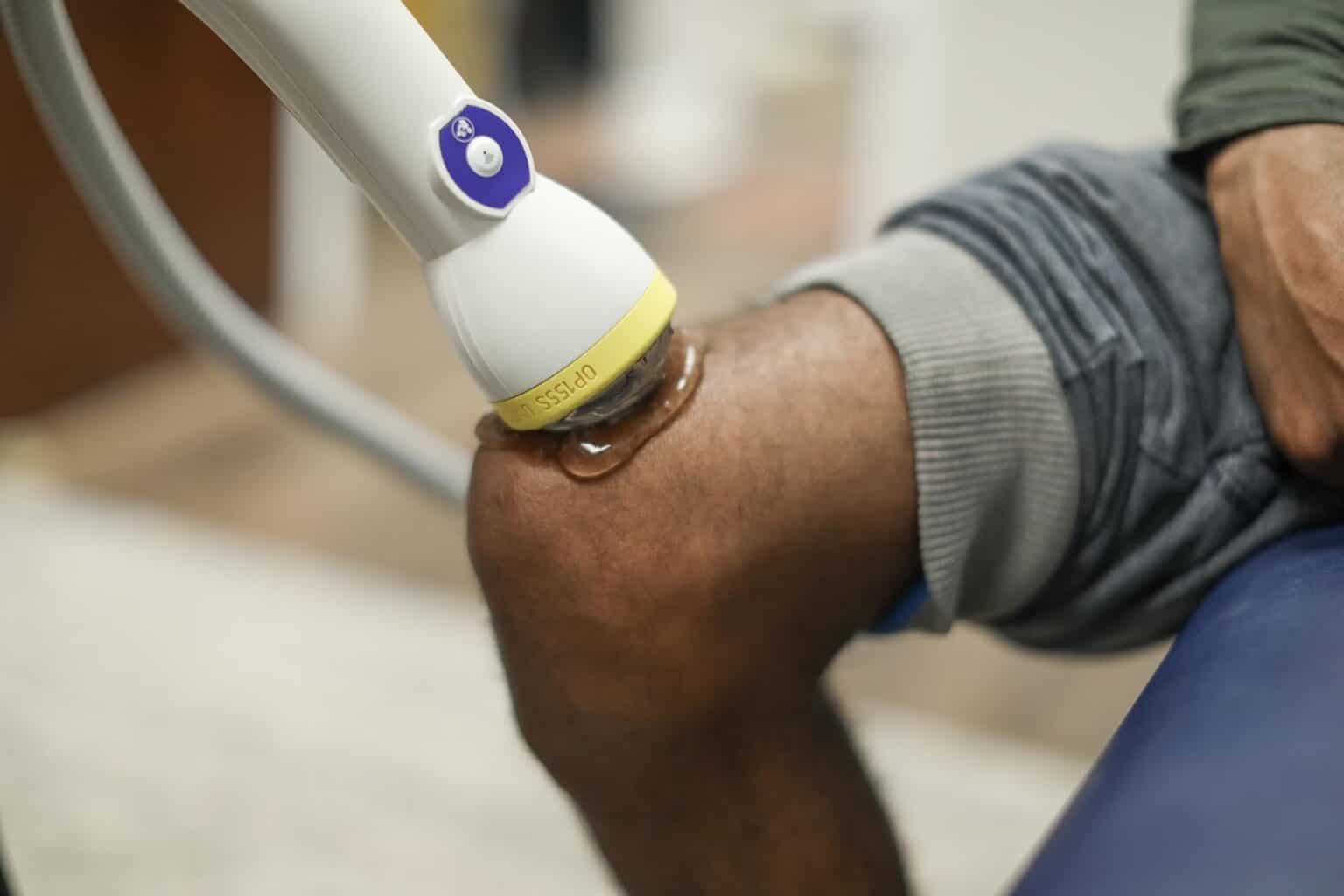
SoftWave Therapy is an effective and non-invasive treatment using shockwaves to address persistent inflammation and pain dysfunction, healing the surface and deep tissue without causing microtrauma to the body.
Unlike more localized therapies that target only a narrow treatment area, SoftWave technology is designed to affect broader tissue regions while helping support the body’s natural repair and recovery mechanisms.
SoftWave Therapy is non-invasive, drug-free, and does not require surgery or extended downtime following treatment.
What's the Research?
This non-invasive, drug-free approach focuses on pain relief, injury recovery, and overall wellness enhancement. SoftWave utilizes a form of Extracorporeal Shockwave Therapy (ESWT) which has emerged as a versatile and effective non-invasive medical intervention with a wide range of applications. SoftWave uses light, sound, and frequency to generate acoustic waves to targeted areas of the body, promoting tissue regeneration, pain relief, and overall functional improvement. “Shockwaves… have mechanical and cellular effects that improve tissue healing and alter pain signaling” [1].
The therapeutic mechanisms of ESWT involve the generation of shockwaves that elicit cellular responses, including enhanced blood flow, tissue regeneration, and anti-inflammatory effects. SoftWave therapy has gained traction in recent years owing to its non-invasive nature and the promising therapeutic modality with applications in Chronic Conditions, Neuropathy, and Orthopedics. SoftWave can help to locate and treat the origin of pain and help treat the sometimes previously undetected but related affected areas.
SoftWave Therapy can effectively target and alleviate pain, whether it’s from chronic conditions, acute injuries, or muscle discomfort. SoftWave can also catalyze injury recovery as the process accelerates the body’s natural healing processes, aiding in the recovery of injuries or surgeries as it increases blood flow by 300% reducing scar tissue, inflammation, and muscle tightness. SoftWave (ESWT) can regenerate and activate your body’s own stem cells for deeper, more profound healing on a cellular level. SoftWave can increase flexibility and mobility, optimize your body’s functionality, and promote overall wellness, helping you feel your best every day.
What Can You Expect from Your First Visit?
During your first session using SoftWave, our Technologist will address any pertinent medical history and areas of concern. Depending on the severity of the injury, a few programs may be recommended based on need and desired outcome. Wellness packages are available alongside treatment of injuries or help with chronic pain and arthritis. A program consists of a determined number of visits according to need, (i.e. a designated number of visits needed to fully break down and heal scar tissue).
Our experienced chiropractors and therapists are dedicated to providing the highest standard of care. We’ve invested in state-of-the-art SoftWave technology to ensure you receive the best possible treatment. Your well-being is unique, and we tailor our services to meet your specific needs. Everyone’s needs are different, and we would love the opportunity to be able to meet with you and discuss your wellness goals according to your unique needs.
A Personalized Approach to Recovery
No two people recover the same way. Depending on your symptoms, activity level, and overall health goals, the most effective approach may involve more than a single therapy alone.
While SoftWave Therapy is an excellent option for supporting the body’s natural recovery processes, some individuals benefit from combining multiple therapies that work together to promote healing, improve comfort, and encourage healthy movement. That’s why we offer our Recovery Combo—a personalized recovery session that pairs complementary therapies to support your body’s recovery and overall wellness.
Whether you’re recovering from an injury, managing ongoing discomfort, or simply looking to stay active and functioning at your best, a personalized recovery plan can help determine which combination of therapies is right for your needs.
Common questions
SoftWave Therapy is a non-invasive treatment that uses electrohydraulic acoustic wave technology to support the body’s natural healing and recovery processes. It is commonly used as part of a personalized approach to recovery and mobility.
SoftWave Therapy may be recommended for a variety of musculoskeletal concerns, including stubborn areas of discomfort, overuse injuries, tendon and ligament issues, and other soft tissue conditions. A personalized evaluation helps determine whether it is appropriate for your individual needs.
Treatment experiences vary from person to person. Some individuals notice mild sensitivity over the treatment area, while others experience little to no discomfort. Sessions are generally brief and do not require surgery or injections.
The number of sessions depends on your symptoms, recovery goals, and how your body responds to care. Your provider will recommend a personalized treatment plan based on your evaluation.
Yes. SoftWave Therapy is often incorporated into a broader recovery plan and may be combined with other therapies or chiropractic care when appropriate to support your overall wellness goals.
Discover Whether SoftWave Therapy Is Right for You
If you're looking for a non-invasive approach to support recovery, mobility, or ongoing areas of discomfort, SoftWave Therapy may be worth exploring. Every person has different goals and recovery needs, which is why we take the time to create a personalized care plan based on your symptoms, history, and overall wellness.
Ready to learn whether SoftWave Therapy is a good fit for you? Get started with care today.
Get Started With CareUnlocking Relief and Healing with MLS Laser Therapy
In the ever-evolving landscape of pain management and wellness, laser-focused inflammation recovery, or MLS Laser Therapy, has emerged as a revolutionary non-invasive treatment option. This cutting-edge technology has gained popularity for its remarkable ability to provide relief from a wide range of ailments, from chronic pain to muscle recovery, migraines, degenerative discs, and so much more.
Understanding the Technology
What is MLS Laser Therapy?
MLS (Multiwave Locked System) Laser Therapy is an FDA-approved, non-invasive treatment modality that utilizes laser light therapy to alleviate pain, reduce inflammation, and promote tissue healing. It’s often referred to as “cold laser therapy” due to the absence of heat during the procedure. Multi-wave Locked System (MLS) Therapy uses focused infrared light energy to stimulate the body’s own healing process, accelerating recovery, and significantly alleviating pain, inflammation, and arthritis. The laser reduces recovery times and is your gateway to return to a pain-free life.
How it Works
Through three decades of research and development, the MLS Laser was designed to treat conditions without the need for excessive heat treatment, physical contact, or injections, and stimulate healing and recovery with no pain or discomfort. This creates an Analgesic Effect in the body. This means that the laser uses specific wavelengths of light to decrease inflammation/edema. As inflammation/edema decreases, pain subsides quickly. This changes the way nociceptors (nerve endings) perceive pain which acts like painkillers, without the unpleasant side effects that pharmaceutical painkillers often evoke. MLS Laser treatment also has a therapeutic effect as it uses specific wavelengths to penetrate deep into tissue-activated injured cells. Mitochondria are activated, releasing ATP for quicker cellular repair and healing. As a result tendons, ligaments, and muscles repair faster. In simple terms, laser energy kick-starts the healing process, thereby speeding recovery.
Benefits of MLS Laser Therapy
MLS Laser Therapy offers a plethora of benefits for individuals seeking pain relief, headache management, muscle recovery, and more.
-
Pain Relief
Highly effective in managing various types of pain, including chronic pain, arthritis, and post-surgery discomfort. The laser light penetrates deep into tissues, stimulating the release of endorphins and promoting natural pain relief mechanisms. The laser light penetrates between 4-6 cm based on a variety of factors including skin thickness and target area. Often reverberated deeper to stimulate some of the effects associated with lasers at a deeper level than just 5 cm.
-
Headache and Migraine Relief
For those plagued by debilitating headaches and migraines, MLS Laser Therapy offers a drug-free alternative. By reducing inflammation and improving blood flow, it can alleviate the frequency and intensity of these painful episodes.
-
Accelerated Muscle Recovery
Athletes and active individuals can benefit from MLS Laser Therapy’s ability to speed up muscle recovery. It helps reduce inflammation and enhance tissue repair, allowing for faster healing after strenuous workouts or injuries.
-
Reduced Inflammation
Inflammation is a common factor in many health issues, and MLS Laser Therapy excels at reducing it. By decreasing inflammation, the treatment can improve overall comfort and mobility.
- Releases endorphins and enkephalins, as if you were out for a run
- Reconnects nerves and regenerates nerve connectivity
- Brings blood flow to the area and opens up capillaries
- Reduces scar tissue and accelerates healing by 40-50%
- Increases the osteoblast in the bone, in the first ten days only
- Increases ATP production (cell growth)
- Blocks the nociceptors to the brain (the gate theory)
- Allows oxygen and food loads into the cell
- Gets rid of the histamines and cytokines out of the cell
Applications of MLS Laser Therapy
MLS Laser Therapy has a diverse range of applications, making it a versatile tool for healthcare professionals. It treats pain and inflammation associated with neck and back injuries, work/sports injuries, arthritis, bursitis, tennis/golf elbow, sprains, strains, disc degeneration, spinal stenosis, knee conditions, herniated disc, plantar fasciitis, spondylosis, neuropathy, sciatica, and more.
-
Herniated/Degenerative Discs
Specifically made to target issues such as arthritis, herniated or degenerative discs, shoulder and neck pain, knee pain, spinal stenosis, or any other musculoskeletal pain. Many patients have been able to delay or cancel their surgeries because MLS Laser Therapy was able to alleviate their condition and reduce or eliminate their pain.
-
Orthopedic Conditions
It’s commonly employed to treat orthopedic conditions like osteoarthritis, tendonitis, and sprains. It can reduce inflammation and built-up scar tissue while encouraging regenerative blood flow back into the surrounding areas. The therapy can even alleviate pain and improve joint function.
-
Neurological Disorders
It's increasingly used for neurological conditions such as neuropathy, where it aids in pain management and nerve regeneration.
-
Wound Healing
In dermatology and wound care, MLS Laser treatments can accelerate the healing process by stimulating collagen production and tissue regeneration. It is utilized nationwide by many national sports teams for rapid recovery from injuries.
Combining Chiropractic Care and MLS Laser Therapy for Better Recovery Support
While MLS Laser Therapy can be a valuable standalone therapy, many people benefit from combining different approaches that support the body from multiple angles. Chiropractic care focuses on helping the body function and move more efficiently, while MLS Laser Therapy provides additional support for areas experiencing discomfort, inflammation, or slower recovery.
At Sound Corrections Chiropractic, we often look at how different therapies can work together as part of a personalized wellness plan. For individuals who may benefit from a more comprehensive approach, our Recovery Combo combines MLS Laser Therapy with PEMF Heat Mat Therapy to support relaxation, recovery, and overall body function.
Whether you’re recovering from an injury, dealing with ongoing discomfort, or simply looking for additional support for your wellness goals, a customized approach can help determine which therapies best fit your needs.
If you’re interested in exploring whether MLS Laser Therapy, or think a multi-therapy recovery support approach is right for you, get started with care today.
Exploring Additional Recovery Therapies
Every person’s recovery needs are different, which is why having access to multiple supportive therapies can be valuable when creating a personalized plan. While MLS Laser Therapy focuses on supporting the body’s natural recovery processes, other advanced therapies may provide additional options depending on your goals and needs.
For individuals looking for additional support with stubborn areas of discomfort or recovery challenges, advanced regenerative healing therapy options like SoftWave Therapy may be worth exploring as part of a broader recovery-focused approach.
Common questions
MLS Laser Therapy is a non-invasive therapy that uses specific wavelengths of light to support the body’s natural recovery processes. It is commonly explored by individuals looking for additional support with areas of discomfort, inflammation, and tissue recovery.
MLS Laser Therapy may be used as part of a broader approach for many different recovery goals, including supporting areas affected by discomfort, overuse, injuries, and soft tissue challenges. A personalized evaluation can help determine whether it may be appropriate for your situation.
Most people find MLS Laser Therapy to be a comfortable experience. Because it is non-invasive, sessions typically do not involve needles, medications, or aggressive techniques.
The number of sessions can vary depending on the individual, their goals, and the area being addressed. A personalized care plan can help determine the recommended approach based on your specific needs.
MLS Laser Therapy is designed to support the body’s natural recovery process rather than simply masking discomfort. It is often explored alongside other wellness strategies as part of a comprehensive approach to recovery and function.
Explore a Recovery Approach Designed Around Your Needs
If you’re dealing with ongoing discomfort, stubborn areas of tension, or a slower-than-expected recovery process, finding the right support can make a difference. MLS Laser Therapy offers a non-invasive option designed to support the body’s natural recovery process as part of a personalized care plan.
At Sound Corrections Chiropractic, we take the time to understand your goals and recommend care options based on your unique needs.
Ready to explore your options? Get started with care today.
Get Started With CareThe Fall Season and Your Body
Fall brings with it a unique set of physical challenges. The sudden shift in temperature can lead to stiffness and discomfort in our muscles and joints. The increase in rainy or damp weather can exacerbate existing aches and pains, especially for those with arthritis and joint pain. Raking leaves and preparing the garden for winter can strain the back and neck, leading to discomfort and misalignments.
As the leaves turn vibrant shades of red, orange, and yellow and the air becomes crisp and invigorating, it’s evident that autumn has arrived. With the changing of seasons comes a reminder to take care of our health, and what better time to discuss chiropractic and wellness needs and services than amidst the beauty and transformation of fall?
Autumn serves as a poignant reminder that just as nature adapts to change, our bodies need to be nurtured and supported, too. This post will explore the importance of healthy seasonal wellness habits, highlighting the unique needs that arise during this time of year as well as describe some of the services our doctors offer to keep you feeling your best.
Chiropractic Services to Address Autumnal Needs
At Sound Corrections, our chiropractors are healthcare professionals trained to diagnose and treat musculoskeletal disorders. They specialize in addressing the needs of their patients through a holistic approach to health and wellness. Here are some chiropractic services that can help you stay healthy and comfortable during the fall season:
Spinal Adjustments
Chiropractic adjustments help align the spine, improving joint mobility and reducing pain. Our Sound Wave Correction technology uses a sound wave to adjust the uppermost bone on the spine referred to as the “atlas”. This gentle adjustment can be key in ensuring the rest of the spine holds its alignment to keep you going. This can be particularly beneficial for individuals experiencing discomfort due to seasonal changes or fall-related activities.
Pain Management
Our chiropractors can provide natural pain relief through realignments, atlas correction, laser light therapy, guided use of the hyperbaric chamber, and other services provided based on your individual needs.

Postural Assessments
As the days grow shorter, you may find yourself spending more time indoors or working from home. We can help assess your posture and recommend adjustments to prevent back and neck strain caused by prolonged sitting and extended use of phones, computers, and other tech that can cause one to begin to hunch forward.
Exercise and Stretching Programs
Our chiropractors can recommend exercise and stretching routines uniquely crafted to your specific needs to improve flexibility and strengthen your core, reducing the risk of injuries while engaging in fall activities.
MLS Laser Therapy
Our office offers MLS Laser Light Therapy that can help jump-start the healing process by stimulating blood flow to afflicted or injured areas. Laser light therapy is a noninvasive procedure that reduces inflammation, repairs superficial injuries, increases structural integrity, improves circulation, decreases healing time, and relieves pain so that you can get back out to enjoy this beautiful time of year!
Recovery Support for Joint Pain and Seasonal Discomfort with SoftWave Therapy
Fall often brings changes in activity levels, routines, and physical demands. Whether it’s getting back into outdoor activities, managing old injuries, or dealing with ongoing joint discomfort, supporting the body’s natural recovery process can be an important part of staying active and comfortable.
At Sound Corrections Chiropractic, SoftWave Therapy is one of the advanced therapies we use for recovery-focused inflammation support. This non-invasive approach is designed to support areas of the body experiencing discomfort, stiffness, or tissue-related challenges as part of a personalized wellness plan.
For individuals looking for additional support beyond traditional approaches, SoftWave Therapy may be a helpful option to explore as you work toward better mobility and overall function throughout the changing seasons.
Supporting Whole-Body Wellness with Atlas Correction
Seasonal changes can be a reminder of how important it is to support your body’s ability to adapt, move, and function well. When tension, discomfort, headaches, or mobility challenges begin affecting your daily routine, it may be helpful to look beyond the immediate symptoms and consider how the body’s structure and nervous system work together.
Atlas Correction is a gentle, precise form of upper cervical care focused on evaluating the relationship between the upper cervical region, posture, and nervous system communication. At Sound Corrections Chiropractic, we use this approach to create personalized care plans based on each individual’s symptoms, history, and overall wellness goals.
For those looking to take a more proactive approach to their health, Atlas Correction provides a focused form of proactive nervous system wellness care designed to support better function, balance, and overall well-being through a personalized approach.
Common questions
Joint pain and stiffness can develop from many different factors, including aging, injuries, repetitive stress, inflammation, activity levels, and changes in how the body moves. Understanding your individual symptoms and history can help identify possible contributing factors.
Some individuals explore chiropractic care as part of a broader approach to supporting mobility, comfort, and overall wellness. Chiropractic care focuses on how the body moves and functions, with treatment approaches tailored to each person’s specific needs.
No. While arthritis becomes more common with age, joint discomfort can be influenced by many factors, including previous injuries, genetics, lifestyle habits, and overall joint health.
Supporting joint health may include maintaining regular movement, improving mobility, staying active within your comfort level, supporting healthy habits, and addressing factors that may contribute to stiffness or discomfort.
Some individuals explore advanced therapies as part of a comprehensive wellness approach. Treatments such as SoftWave Therapy and MLS Laser Therapy are designed to support recovery-focused care by addressing areas of discomfort and promoting healthier tissue function.
Support Your Body Through Every Season
Changes in activity, weather, and daily routines can all impact how your body feels and functions. If joint discomfort, stiffness, or mobility challenges are affecting your quality of life, a personalized approach may help you better understand your options.
At Sound Corrections Chiropractic, we focus on supporting your body through gentle, individualized care designed around your needs and wellness goals.
If you’re ready to explore your next step, get started with care today.
Get Started With Care