
Archive page
What Type of Headache Do You Have?
Over 90% of people will have at least one headache in their life. For some, occasional headaches can turn into a daily occurrence that disturbs both work and hobbies. In many cases, headaches aren’t associated with a disease but are instead a result of your daily habits and actions. The most common triggers for a headache include stress, fatigue, lack of sleep, hunger, and caffeine withdrawal.
Tension, Sinus, and Migraine
Being aware of the type of headache you have and its triggers is the first step toward finding relief. Many neurological headache conditions can be influenced by a combination of physical and lifestyle factors, making it important to understand your unique symptom patterns. Stress is one of the most common contributors to headaches, and it’s important to remember that stress can be both mental and physical. Physical stress may include muscle tension in your shoulders, head, and neck caused by long hours at a computer, poor posture, or a lack of regular exercise.
-
1. Tension Headaches
Usually felt across the forehead and last a few hours.
-
2. Sinus Headaches
Typically occurs in the face, lasts a few hours, and is seasonal.
-
3. Migraine Headaches
Pain in the back of the head, temple, or eye that lasts a day or longer and can produce sensitivity to light and sound.

Now you’ve identified the types of headaches you are usually affected by, you can begin taking proactive steps to reduce your risk. Getting enough rest and watching your caffeine intake is a good start. Research has also found that spinal adjustments are effective at reducing the frequency and severity of headaches. If you’ve been suffering from headaches, reach out to discover if we can help.
The Link Between Neck Pain and Headaches
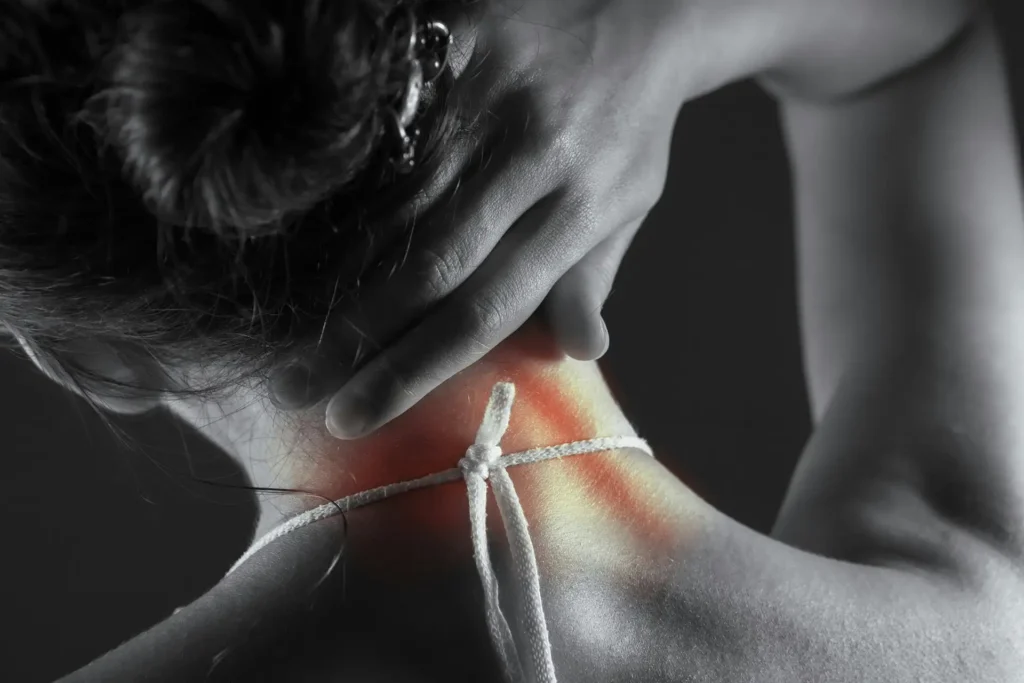
Your head hurts. Could it be coming from your neck? You may be surprised to learn that neck pain and headaches are tightly linked together. A headache that starts from an issue in the neck is called a cervicogenic headache. A cervicogenic headache is characterized by a dull pain that radiates from the neck to the back of the head. At times it may spread around the side or front of your head.
Cervicogenic Headaches
Cervicogenic headaches are common if you spend long hours at the computer each day. Neck stiffness and tender muscles around your head and shoulders often come along with cervicogenic headaches because of the position that many of us sit in all day. The added stress and strain on your upper back and neck muscles can add up over time and begin to cause occasional headaches. Without taking proactive steps to address the cause of the issue, you may notice that the headaches become more frequent and intense.
Cervicogenic headaches are common among people who spend long hours at a computer each day. Neck stiffness and tender muscles around the head and shoulders often accompany these headaches because of prolonged sitting and sustained posture. Over time, the added stress and strain on the upper back and neck can contribute to recurring headaches. While posture is one potential factor, recognizing other underlying headache triggers can help you better understand why your symptoms occur and what steps you can take to reduce them. Without addressing the factors contributing to the problem, headaches may become more frequent or more intense over time.
- Cervicogenic headaches can begin due to tightness in the shoulders, a stiff neck, or poor posture
- Over 70% of people with cervicogenic headaches find significant relief with spinal adjustments
- Spinal adjustments can reduce the severity and frequency of headaches
To break the cycle of daily cervicogenic headaches, you need to address the underlying cause. Staying well hydrated (with water!), stretching at least every hour, and setting your workstation up ergonomically are all important to reduce your headache risk. If you still notice that headaches are bugging you, have pain, or limited neck range of motion, call us for a complete evaluation and plan of care to get well and stay well.
How to Get Rid of Daily Headaches
If you notice that your headaches are becoming more frequent and intense, it can be troubling. Daily headaches can make it challenging to have a high quality of life and can affect your work and home life. The good news is that many of the most common types of headaches can be reduced or even eliminated by changing just a few of your daily habits.
Stress and Tensions
Stress and tensions are two of the biggest triggers for tension headaches. Chronic headaches can cause your nervous system to become sensitized. That means each day it takes less “stimulus” to kickstart a headache. Sensitization can become a vicious cycle, especially if your days are filled with repetitive motions. One of the best ways to reset your system and decrease sensitization is through movement. Whether you prefer yoga, stretching, or massage, movement of your spine and body can ease the tensions associated with headaches.
- Dull, aching pain in the head and neck
- Pressure and tightness across the sides, front, and back of your head
- Tenderness in your shoulders, head, and neck
Movement and exercise are key to life and one of the most powerfully simple ways you can break a cascade of daily headaches. If you’re struggling to get moving because of the pain, let us know. We’re happy to work with you to develop a comprehensive plan to help you reduce the frequency and severity of your headaches starting today.

Headache Medications Cause Headaches
One of the primary side effects of many prevalent headache medications is, well…more headaches. That’s right; rebound headaches are caused by taking the same medications used to find relief. If that sounds bizarre, it is. Even taking medications more than just a few days may trigger overuse, or rebound, headaches.
Establish Healthy Habits
Taking care of yourself and creating healthy habits each day can prevent most headaches. If you find yourself reaching for over-the-counter pain medications more than once per week, you may be putting yourself at risk for rebound headaches. Most headache medications aren’t designed to be used frequently because they simply address the symptoms, not the cause of the problem. As you take medication, your body can become sensitized, meaning you need to take more medication to achieve the same result. This can lead to a downward spiral and cycle of chronic rebound headaches.
-
Get Enough Sleep
Going to bed and waking up at the same time each day helps your body maintain a natural rhythm.
-
Reduce Your Stress
Plan, manage your daily schedule, and make stress-busting activities like yoga or meditation a part of your lifestyle.
-
Exercise Regularly
Movement and exercise releases endorphins that help your brain and body feel good and block pain signals to your brain.
While medications may provide temporary symptom relief for some people, they don’t always address the factors contributing to recurring headaches. That’s why current healthcare approaches increasingly emphasize identifying the source of your symptoms and incorporating movement-based, conservative care when appropriate. At Sound Corrections Chiropractic, our approach includes nervous system-focused headache care designed to support healthy movement, improve nervous system function, and help you pursue long-term relief based on your individual needs. We believe everyone deserves the opportunity to better understand their headaches and take meaningful steps toward living with fewer interruptions to daily life.
Common questions
Some of the most common headache classifications include tension headaches, migraines, cervicogenic headaches, cluster headaches, and sinus headaches. Each has different characteristics, triggers, and potential contributing factors, making an accurate evaluation important.
While both involve head pain, migraines are complex neurological events that often include symptoms such as nausea, sensitivity to light or sound, visual disturbances, or dizziness. Understanding your specific symptoms can help determine which type of headache you may be experiencing.
If headaches become more frequent, increase in intensity, begin interfering with daily activities, or change significantly from your usual pattern, it’s important to seek an appropriate evaluation to better understand the underlying cause.
For some individuals, dysfunction involving the neck, muscles, joints, or surrounding structures may contribute to certain headache patterns. Because headaches can have many possible causes, a thorough evaluation is important to determine the most appropriate course of care.
Many people include chiropractic care as part of a personalized plan to support healthy movement, nervous system function, and overall wellness. The most appropriate care depends on the type of headache, your health history, and the contributing factors involved.
Find the Right Path Toward Headache Relief
Not all headaches are the same, and understanding the type of headache you're experiencing is an important first step toward finding appropriate care. If headaches are becoming more frequent, more severe, or interfering with your daily life, a personalized evaluation can help identify contributing factors and guide you toward the most appropriate care options.
At Sound Corrections Chiropractic, we take a comprehensive approach to supporting people with recurring headaches by focusing on healthy movement, nervous system function, and individualized care plans.
Ready to take the next step? Get Started with Care and discover a personalized approach to better health.
Get Started With CareNeck Pain and the Connection to Migraines
Many people think of migraines as only a head-related issue, but the reality is that migraine experiences can involve multiple areas of the body—including the neck. Neck discomfort, stiffness, and tension are often overlooked symptoms that may provide important clues about what is happening during a migraine pattern. Understanding the common causes of neck pain can provide more insight into why the neck and head are so closely connected, and why some people experience neck symptoms before or during a migraine attack. In this article, we’ll explore the relationship between neck pain and migraines, and why the upper cervical region may play an important role in understanding these symptoms.
Neck Pain Studies and Migraines
Neck pain may actually be the most common migraine symptom despite the fact that it is rarely listed among usual symptoms such as nausea and light sensitivity. According to one study in 20101 that involved 113 patients, neck pain was even more common than nausea. In a survey of 144 migraine patients, 3 out of 4 said that they experienced neck pain together with migraines. 60% of those who experienced neck pain said that it started before a migraine, making it a precursor to migraines and about three times more common than migraines with aura.
If neck pain is one of the most common symptoms of migraines, both before and during an attack, it is clear that the two are linked. So why is this an often-overlooked symptom? What is the connection between the neck and the head? We’re about to take a comprehensive look at the structures of the neck and why misalignments in the neck may lead to neck-related migraine dysfunction.
Let’s begin by discussing some telling research in Italy2 that clearly connects neck pain and migraines.
Study Reveals that Patients Confuse Cervical Pain and Migraines
The research involved a study of 207 patients. 64% of the patients diagnosed themselves with cervical pain syndrome (a.k.a. neck pain syndrome). However, it turns out that in more than 90% of cases the patient was actually suffering from migraines. This makes a good case for seeing an expert in the neck for evaluation.
- The pain started in the back of the neck
- Weather changes triggered pain
- Patients experience nausea and vomiting
- Other symptoms like dizziness and vertigo occured
- Neck pain preceded other symptoms
- The condition ran in the family
All 6 of these symptoms accurately describe migraines. Unfortunately, as noted above, many do not realize that one of the most common migraine symptoms is neck pain that precedes or occurs along with the rest of the symptoms.
The 3 Roles of the Upper Cervical Spine (upper neck)
To begin, we need to explain the three primary functions performed by the upper cervical spine. Understanding these structures and their function will result in a better understanding of why neck problems can lead to migraines. These three primary functions are:
Protecting the brainstem and spinal cord.
The bottom of the brainstem extends into the C1 vertebrae and connects to the spinal cord at this vital juncture. The upper cervical bones (upper neck bones) are protection against damage to the brainstem and spinal cord. Thus, the C1 and C2 play a vital role in brainstem function and communication throughout the body. Even a slight misalignment can take these bones from being protectors to being part of the problem.
Supporting the head and facilitating movement.
The average head weighs between 10 and 14 pounds. This atlas (C1) balances the weight of the head. If the C1 becomes misaligned, the weight of the head can become distributed improperly. This puts excess pressure on the neck and throughout the back, resulting in pain, tingling and numbness, and other nerve and soft tissue issues. The C1 and C2 also facilitate more than half of the range of movement of the head due to their unique design that is different from any other vertebrae. Unfortunately, this wide range of motion also results in more common misalignments in these two bones.
Enabling blood flow to the brain.
The cervical vertebrae (neck vertebrae) contain openings called vertebral foramen. These passageways provide a place for the vertebral arteries that provide the brain’s blood and oxygen supply. These openings also make the cervical vertebrae unique. As a result, proper alignment of the cervical spine (neck) plays a key role in the brain getting the blood and oxygen it needs to function properly.
Knowing these points about the function and design of the cervical vertebrae is an important factor in understanding the connection between the spine and migraines.
The Upper Neck and Migraines
The reason neck pain is so common with migraines may very well be related to the effects of an upper cervical misalignment (upper neck misalignment). When the C1 and C2 vertebrae (located at the base of the skull) are misaligned, the function of the entire central nervous system can be thrown off because of the roles we just discussed that are carried out by these bones.
There can be a restriction of blood flow to the brain if the misalignment affects the vertebral arteries and creates any kinks or other slowdowns. Reduced blood flow plays a key role in migraine occurrence. The misaligned bones could potentially put pressure on the brainstem or spinal cord, and this pressure can cause malfunctions in communication between the brain and body. Brainstem function also has some link to migraines. But these are not the only issues that can lead to migraines.
Upright MRI Evidence
Additionally, the position of these bones can result in pooling of cerebrospinal fluid if proper drainage becomes inhibited. Research has been performed using upright MRIs3 to see the effect misalignments have on drainage. Some of these studies also show that upper cervical realignment can help to restore proper drainage and eliminate the effects.
These misalignments can also damage nerves and soft tissue, thereby causing pain and stiffness. Even for patients who do not have migraines, the tissue damage often causes pain first. However, it is important to note that upper cervical misalignments don’t always cause neck pain, so if you have migraines but don’t have neck pain, do not automatically assume that your upper cervical spine is in alignment. Doctors must examine your neck using specialized techniques and diagnostic imaging to be certain.
How Do Upper Cervical Misalignments Occur?
It is important to appreciate that you do not have to have sustained a serious neck injury to be dealing with an upper cervical misalignment. Any kind of head or neck trauma can cause this issue.
For example, if you have suffered a concussion while playing sports or a whiplash injury from a car accident, a misalignment is likely. But did you know that it takes a collision of only 5 mph to cause a whiplash-type injury? Thus, more than just a sports collision or a fender bender but even a simple slip and fall can result in the problems we are discussing here. Thus, many fail to mention their injuries when filling out a patient history.
So please keep this in mind when speaking to health practitioners about migraines. Even a desk job where improper posture is sustained throughout the day or a habit of looking down to check a mobile device over and over again can lead to a misalignment in the upper neck.
Extensive Research Involving Migraine, Neck Pain, and Upper Cervical Care
To back up this connection between migraines and neck pain, research was conducted involving migraines and upper cervical care. Upper Cervical Care is a subspecialty of chiropractic that focuses on gentle and precise adjustments of the C1 and C2 vertebrae. There is no twisting, cracking, popping or jerking of the neck involved with this specialty.
The research involved 11 patients who had never received care from an upper cervical chiropractor. Each patient had experienced between 10 and 26 migraine days for at least four consecutive months prior to the study. The patients also needed to report a minimum of 8 headaches per month that hit a 4 or higher on a pain scale of 0-10 in order to qualify. In this particular study, patients received NUCCA (National Upper Cervical Chiropractic Association) method of upper cervical care to correct misalignments.
What were the results of the study?
The average number of days with migraines being experienced by patients at the start of the study was 14.5 per month. After just one month of care, that average was reduced to 11.4 days per month. After two months of care, that number was further reduced to 8.7, nearly half of the headache days at the beginning of the research. The study only lasted two months, but it can be inferred that further care would lead to continued benefits.
Other factors in the study included the use of a MIDAS score. This number records the degree of disability resulting from a condition with a higher number indicating greater disability. In this study, the average degree of disability was decreased from 46.7 down to just 14.6 after two months of adjustments and observation.
The study also considered the quality of life of the patients in three areas: emotional, physical, and restrictive (ability to perform normal activities). With these figures, a higher number indicates a better quality of life.
- Physical quality of life averages increased from 54.1 to 86.6
- Emotional quality of life averages increased from 53.3 to 81.2
- Restrictive quality of life increased from 38.4 to 73.5
You may be impressed to know that these patients received between one and five adjustments only as-needed.
Case Studies Involving Upper Cervical Care for Migraines, Neck Pain, and Headaches
Besides this study, there are many case studies involving both migraine and headache patients who have benefited from various forms of upper cervical care. In one compilation of 101 case studies, 37 of the patients were experiencing migraines (note that a different method of upper cervical care was used in these studies). All but 8 of those 37 patients could remember a head or neck trauma that preceded the onset of migraines.
What were the results of these 37 case studies? 26 of the patients experienced the elimination of their migraines, including two men and a woman who had daily migraines. The other 11 patients all experienced a reduction in the number of migraines per month. Several daily migraine sufferers were down to just one or two per month. Some patients received benefits in as little as 1 month of care.
The youngest patient was age 9. He had been experiencing 10 migraines per month following an injury. His condition completely resolved in just one month of care. The oldest patient was 67, and she experienced a reduction of her migraine days to just one per month.
How Upper Cervical Care Differs from General Chiropractic
The results of the studies noted above are very convincing when it comes to the benefits of upper cervical care for migraine patients. However, you may still wonder if upper cervical is right for you or whether you can get the same benefits from seeing just any chiropractor. Here is a little information on what makes upper cervical care unique.
Upper cervical is a unique subset of the chiropractic field. As noted in the studies above, there are several different methods when it comes to how practitioners determine the degree of the misalignment or the way the adjustment is administered to the upper neck. However, there are commonalities between each method, and the primary differences are between upper cervical and general chiropractic.
At Sound Corrections Chiropractic, Atlas Correction is a gentle, precise form of upper cervical care focused on evaluating this relationship. Through a personalized evaluation process, we look at your symptoms, history, and overall function to determine whether this approach may be a good fit for your health goals, and whether a correction of upper cervical structural instability can help reduce the frequency and severity of neck pain and other related migraine symptoms.
Here are the main things that set upper cervical apart:
Gentle adjustments
No popping, cracking, twisting, or forcing of the spine. Doctors perform adjustments with low force corrections using either hands-on manipulation or an adjusting instrument.
As-need adjustments
After the moving back of the atlas and axis (C1 and C2) into their original position, future adjustments are less and on as-needed basis. If your examination reveals that your adjustment is holding, you won’t receive an adjustment, and you may be able to extend the time between visits. This provides a cost-effective approach to care.
Family-friendly care
Your great grandmother or your infant may not be able to handle the heavy-handed adjustments of general chiropractic, but upper cervical care is for everyone. This allows families to extend a holistic (whole body) approach to health care to each member of the family.
Common questions
Yes. Many people who experience migraines also report neck discomfort or tension before, during, or after an attack. Because the neck, posture, and nervous system are closely connected, the upper cervical region is often an area people explore when looking at possible contributing factors.
Some individuals experience neck pain or stiffness as part of the migraine experience, sometimes even before head pain begins. These early symptoms may be part of the body’s response leading up to a migraine episode.
Neck-related headaches are often associated with discomfort that starts around the neck or base of the skull, while migraines are a broader neurological experience that may involve symptoms such as nausea, sensory sensitivity, or visual changes. However, symptoms can overlap, which is why identifying patterns can be helpful.
Posture can influence how the neck and surrounding structures function. Long periods of sitting, device use, or repetitive positions may contribute to increased tension or discomfort in some individuals.
Some individuals explore upper cervical care as part of a personalized approach to migraine support. Atlas Correction focuses on the upper cervical region through a gentle, precise technique designed around each person’s symptoms, history, and overall wellness goals.
Explore a Different Approach to Migraine Support
Neck pain and migraines can be connected in ways that are not always obvious. Understanding how the upper cervical region, nervous system function, and your overall health history may relate to your symptoms can be an important step toward finding a personalized approach.
At Sound Corrections Chiropractic, we use Atlas Correction to evaluate and support upper cervical function through a gentle, precise approach.
If you’re ready to explore your options, get started with care today.
Get Started With CareHeadache and Migraine Triggers
Chronic and recurring headaches can impact far more than just your comfort—they can affect your focus, energy, relationships, and ability to fully participate in the moments that matter most. While headaches may seem straightforward, they can actually vary significantly depending on the underlying factors involved and the way symptoms present. Understanding different headache classifications can help provide more clarity into why certain headaches occur and what potential triggers may be contributing. In this article, we’ll explore common headache causes, including genetics, alcohol, lifestyle factors, and other influences that may play a role in recurring symptoms.
Trigger 1:
Migraine
Migraine is a complex neurological condition that can involve more than just head pain. Along with throbbing or pulsing discomfort, many people experience symptoms such as nausea, sensitivity to light or sound, visual changes, and other disruptions that can impact daily life. Because migraine symptoms can vary significantly from person to person, understanding recurring migraine trigger patterns can help provide more insight into why certain episodes occur and what factors may be contributing. Exploring these patterns is an important step in better understanding migraine-related symptoms and finding a more personalized approach to care.
Trigger 2:
Genetics
According to research, headaches and migraines can be hereditary. So, if one or two of your family members experience frequent migraine attacks, you also have a high probability of having the same health problem.
Trigger 3:
Sinus Congestion
Headache is one of the most frequently reported symptoms of sinus congestion. When your sinuses swell due to an infection or allergic reaction, the pressure inside your head also increases, making you more susceptible to headaches.
Trigger 4:
Excessive Alcohol Consumption
Excessive alcohol intake can lead to serious health repercussions such as severe and more frequent headaches.
-
Alcohol can impact your kidney
Binge drinking alcoholic beverages can lead to increased dehydration. It also affects our kidney function, making them less efficient in filtering wastes from your blood.
-
Alcohol also can elevate your blood pressure
Unfortunately, when your blood pressure spikes, you can potentially develop a bad headache that can last for a few minutes to several hours.
-
Alcohol affects serotonin release
Alcoholic beverages can increase the release of serotonin in the blood. That’s why many people who drink alcohol feel happier than usual. However, prolonged alcohol intake can lead to a drastic drop in serotonin levels, increasing one’s pain sensitivity and vulnerability to stress, frustration, and anxiety.
Trigger 5:
Strong Odors
Believe it or not, a strong odor plays a massive role in developing migraines and headaches. When you’re sensitive to strong scents and fragrances, you might experience nasal irritation, which can trigger allergy-like symptoms such as headaches and runny noses. Strong odors can also cause the blood vessels to swell. The swelling can stimulate the nerves associated with the onset of terrible headaches.
Trigger 6:
Unhealthy Sleep Patterns
Unhealthy sleep patterns cause the development of migraines and headaches in some people. If you don’t get enough sleep or sleep for too long, you may wake up with a heavy throbbing in your head.
- Always aim for at least 8 hours of sleep every night
- Sleep on your bed and not on the couch
- Go to bed when your brain tells you that you're sleepy and avoid distractions like TV or your mobile device
- Avoid doing rigorous activities before heading to sleep
- Keep your afternoon or morning naps short
- Follow a consistent sleep schedule
- Limit your caffeine consumption as it may interfere with your sleep pattern
Trigger 7:
Emotional Stress
Headaches and migraines are more likely to occur when you are under a lot of stress. Studies have yet to fully explain the exact role of emotional stress in the onset of headaches. However, many people note worse attacks when they feel emotionally or mentally burnt out. Some researchers theorize that it might have something to do with the stress hormones, which can trigger inflammation, blood vessel constriction, and sudden surge of blood in various organs such as the brain.
Trigger 8:
Head & Neck Trauma
Head and neck injuries can potentially become the root cause of your headaches and migraines. According to case studies on natural migraine relief in Orem, many people who suffer from recurring migraine attacks have a history of neck and head trauma. Unfortunately, even after the damaged tissues heal, the spinal bones, like the C1 and C2, fail to back to their original position. This, in effect, impedes the normal flow of signals to the brain, triggering headaches and migraines attacks. Until the bones go back to their normal position, the symptoms will linger and cause severe impacts on your daily life.
How Atlas Correction May Support Migraine and Headache Care
Recurring headaches and migraines can be influenced by many different factors, which is why understanding your unique symptoms and health history is an important part of finding the right approach. For some individuals, the relationship between the upper cervical spine and nervous system function may be an area worth exploring.
The upper cervical region plays an important role in posture, movement, and communication between the brain and body. When this area is not functioning optimally, it may contribute to tension, discomfort, or changes in how the body responds to stress and other triggers.
At Sound Corrections Chiropractic, Atlas Correction is a gentle, precise form of upper cervical care focused on evaluating this relationship. Through a personalized evaluation process, we look at your symptoms, history, and overall function to determine whether this approach may be a good fit for your health goals.
Rather than focusing only on temporary symptom management, Atlas Correction is designed to support healthier upper cervical function and nervous system communication as part of a comprehensive approach to migraine and headache care.
Common questions
Recurring headaches can have many different contributing factors, including stress, sleep changes, dehydration, diet, environmental triggers, genetics, and lifestyle habits. Understanding your personal patterns and triggers can help provide more insight into what may be influencing your symptoms.
Yes. Some people may have a higher likelihood of experiencing headaches or migraines due to genetic factors. However, genetics are only one piece of the puzzle, and other factors such as lifestyle, environment, and overall health may also influence symptoms.
Alcohol can be a trigger for some people who experience headaches or migraines. Certain types of alcohol, dehydration, changes in sleep, and other factors associated with drinking may contribute to symptoms in individuals who are sensitive to these triggers.
Headache patterns can vary widely from person to person. Differences in nervous system sensitivity, genetics, daily habits, stress levels, posture, and other health factors may all play a role in why some individuals experience headaches more frequently.
Some individuals explore upper cervical care as part of a broader approach to headache support. Atlas Correction focuses on the upper cervical region and is designed around gentle, precise care that considers the relationship between upper cervical function and nervous system communication.
Find a Personalized Approach to Your Headache Symptoms
Understanding what may be contributing to recurring headaches is an important first step toward finding the right support. At Sound Corrections Chiropractic, we take a personalized approach that considers your symptoms, history, and overall wellness goals.
If you’re ready to explore your options, get started with care today.
Get Started With CareThe 6 Most Debilitating Migraine Symptoms
Migraines are more than just severe headaches—they can impact your energy, focus, daily routines, and overall quality of life. While many people are familiar with the most common symptoms, the reality is that migraines can present in many different ways and create challenges that extend far beyond head pain. Understanding chronic migraine symptom patterns can be an important step in recognizing what you may be experiencing and exploring a more personalized approach to care. Let’s look at six of the most debilitating migraine symptoms and why understanding them matters.
Symptom 1:
A Throbbing Headache
This is by far the most common migraine symptom, and it can be one of the most debilitating. The throbbing headache that affects most migraine patients can range from moderate to severe. Strain often increases the pain making strenuous physical activity difficult if not impossible during an attack. In about two-thirds of cases, the pain occurs on one side of the head, but that means about a third of migraine attacks affect both sides of the head. The throbbing or pulsing sensation is a telltale sign that a headache is actually a migraine symptom.
Symptom 2:
Sensory Sensitivity
This is the migraine symptom that sends most migraineurs heading to a dark, quiet room during an attack. Not only can bright lights, loud sounds, and strong scents trigger a migraine attack, but they can also make one that is already in progress significantly worse. Even dim lights may seem overwhelmingly bright during a migraine attack, which is why many sufferers seek out dark rooms to recover. A normal sound, such as a loved one chewing, may suddenly feel unbearable, while even a normally pleasant scent can become overpowering. These sensory changes are also important to recognize when looking at different silent migraine symptoms, as migraines do not always present in the ways people expect.
Symptom 3:
Neck Pain
Neck pain is a commonly overlooked symptom that can be connected to migraine patterns. Many people do not immediately associate tension or discomfort in the neck with their headaches, but when asked specifically about their symptoms, many migraine sufferers report experiencing neck pain before or during an attack. This connection can make it difficult to distinguish between a neck-related issue and a migraine pattern, especially when symptoms overlap. Understanding the relationship between cervical tension and migraines can provide more insight into why neck discomfort may play a role in certain migraine experiences.
-
Pain started in the back of the neck
Since most people associate migraines with headaches, pain starting in the neck caused patients to separate the symptoms.
-
Pain was triggered by weather changes
Most people associate weather and pain to mean arthritis. However, weather changes are among the most common migraine triggers.
-
Patients experienced dizziness or vertigo
While these symptoms are commonly associated with neck pain, they can also be migraine symptoms.
Symptom 4:
Nausea and Vomiting
Nausea and vomiting can put a quick end to whatever you thought you were going to accomplish today. Combine this with sensory sensitivity, and you have the recipe for lying in bed in a dark room with a nearby bucket for emergencies. This is one of the most debilitating migraine symptoms. Fortunately, nausea is the more common of the two symptoms ,and most patients don’t actually reach the point of vomiting.
Symptom 5:
Dizziness or Vertigo
Whether you get a feeling of lightheadedness and faintness or the feeling like the room is spinning, you’re probably not going anywhere for a while. No one wants to be up and active when it feels like he or she may faint at any moment. And vertigo (a false sensation of movement), can often make nausea worse, especially a severe bout. A person may not even be able to shake the sensation of movement when lying down with his or her eyes closed.
Symptom 6:
Vision Changes
The vision can be affected in many ways by a migraine, such as sensitivity to light.
- Seeing flashing lights or zigzag lines
- Blurry vision
- Double vision
- Temporary loss of vision
- Pain behind one eye (this may affect your vision by forcing you to keep the eye closed)
Visual symptoms are present in migraines with aura or ocular migraines. While aura will likely affect both eyes and occur 20-30 minutes before a migraine, ocular migraines will affect just one eye and occur with or without a headache.
Since sight is an important part of most human activities, this can be a particularly debilitating symptom.
How Atlas Correction May Support Migraine Care
When migraines become a regular part of life, many people begin looking beyond temporary symptom relief and searching for ways to better understand what may be contributing to their symptoms. While migraines are complex and can have many different triggers, the relationship between the upper cervical spine and nervous system function is an important area to consider.
The upper cervical region is where the neck meets the base of the skull and plays an important role in posture, movement, and communication between the brain and body. At Sound Corrections Chiropractic, Atlas Correction uses a gentle, precise approach designed to support upper cervical function without twisting, cracking, or aggressive adjustments.
- Better communication between the brain and body
- Healthy movement and alignment of the upper cervical region
- Reduced stress and tension related to the neck and nervous system
For those looking for a more personalized approach to their migraine struggles, begin neurological migraine care with a plan built around your symptoms, health history, and overall wellness goals.
Common questions
Migraine symptoms can vary from person to person, but many people experience symptoms beyond head pain. Common challenges may include nausea, sensitivity to light or sound, fatigue, dizziness, visual disturbances, and difficulty concentrating. Understanding your specific symptoms can help provide a clearer picture of your migraine patterns.
A typical headache is usually focused on head pain, while migraines are a more complex neurological condition that can involve multiple symptoms. Migraine attacks may include sensory sensitivity, nausea, changes in vision, and other symptoms that affect daily activities.
During a migraine attack, the nervous system can become more sensitive to certain stimuli. Bright lights, loud sounds, and strong smells may feel overwhelming and can intensify symptoms for some individuals.
Some individuals experience neck discomfort or tension before or during a migraine attack. Because the upper cervical region plays a role in posture, movement, and nervous system communication, many people explore the relationship between neck function and migraine patterns.
Some individuals explore upper cervical care as part of a personalized approach to migraine support. Atlas Correction focuses on the upper cervical region and is designed to support nervous system function through a gentle, precise approach tailored to each person’s needs.
Find Support for Your Migraine Challenges
Migraine symptoms can affect your work, relationships, and everyday life. Understanding what may be contributing to your symptoms is the first step toward creating a personalized approach to your health and wellness.
At Sound Corrections Chiropractic, we focus on nervous system function, upper cervical care, and your unique health history to help you explore options that fit your needs.
If you’re ready to take the next step, get started with care today.
Get Started With Care10 Migraine Myths
Migraine attacks affect millions of people, yet there are still many misconceptions surrounding this complex neurological condition. Many people assume migraines are simply severe headaches, but the reality is that they can involve a wide range of symptoms and triggers that go beyond head pain alone. Understanding the difference between common myths and the underlying neurological migraine causes can be an important step toward finding a more personalized approach to care. From misconceptions about what causes migraines to myths surrounding migraine relief and chiropractic care, we’ll break down 10 migraine myths you should stop believing.
Myth 1:
Migraines and Headaches are the Same
Many people use headaches and migraines synonymously when describing their pain to a doctor. Unfortunately, this can lead to confusion and make it more difficult to understand the true source of their symptoms. Understanding the differences between headache vs migraine symptoms is an important first step, as migraine attacks are a complex neurological condition that can involve more than just head pain. Along with headaches, migraines may include symptoms like nausea, vomiting, fatigue, and increased sensitivity to light, sound, or other sensory triggers.
Myth 2:
Migraine Attacks Always Occur with Visual Disturbances
Visual disturbances or aura like hazy vision, seeing wavy or flashing lights affect many migraineurs. However, it doesn’t mean that a migraine attack can’t happen without this specific symptom. According to the Migraine Trust Foundation, roughly 70-90% percent of migraine sufferers don’t experience aura. This type of migraine attack can last anywhere from four hours to a maximum of five days.
Myth 3:
Migraines Only Affect Women
Indeed, migraine episodes tend to occur more frequently in women than men. However, this doesn’t mean that only women suffer from this debilitating symptom. For the male population, migraine attacks have a prevalence rate of roughly 8.6%.
- Sage Journal: Migraine prevalence by age and sex in the United States
By age 10, most males tend to have a lower tendency of migraine episodes compared to females. This is primarily because of the estrogen level fluctuations in the females during the childbearing years. Estrogen level in the body is the main factor that influences the severity and frequency of menstrual and hormonal migraines in women.
Myth 4:
Taking Pain Medication is the Only Option
Surely, pain medications like NSAIDs provide quick relief from common migraine symptoms like headaches. However, it’s crucial to note that you have plenty of other options if you want to experience lasting relief from your migraine attacks. For example, you can visit a migraine chiropractor in Orem UT, make lifestyle adjustments, avoid migraine triggers, and allocate enough time to exercise.
Myth 5:
Changing Your Diet is Key to Eliminating Migraines
Many people notice that their migraines tend to worsen when consuming certain food items, including those containing a high amount of salt and preservatives. As a result, some believe that changing their diet alone can eliminate their migraine symptoms once and for all.
In truth, migraine is a highly complex neurological problem, so a simple diet shift isn’t enough to see lasting results. You may need to include other lifestyle changes like skipping alcohol, improving sleep quality, and managing stress.
Myth 6:
There's Only One Type of Migraine
Sadly, there are several types of migraines. They come with varying levels of intensity and severity. In most cases, patients who seek the help of a migraine chiropractor in Orem UT may suffer from migraines with or without aura. Knowing the key differences between these two and their sub-types can make a huge difference in managing your symptoms.
Myth 7:
Caffeine Triggers Migraine Attacks
Caffeine is a fascinating plant-derived substance because it can have varying effects on people who experience migraines. Some individuals notice that caffeinated beverages seem to worsen their symptoms, while others find that caffeine may temporarily help them cope. These different responses may be related to caffeine’s effects on blood flow and the nervous system. Because triggers can vary from person to person, understanding common headache triggers—including factors like caffeine intake, alcohol, genetics, stress, and lifestyle habits—can provide valuable insight into what may be contributing to recurring migraine symptoms.
Myth 8:
Migraines Only Occur in High-Stress Individuals
Truth be told, migraine attacks can happen to anyone. Stress is just one of the many migraine factors that can trigger an attack. This is why even the calmest person can experience severe bouts of migraine headaches. It’s important to know what triggers your episode so you can make the necessary adjustments to your lifestyle.
Myth 9:
Only Adults and Aging Folks Have Migraines
Did you know that migraine episodes are among the main reasons for pediatrician clinic visits? That’s because about 10 percent of school-age kids experience migraine episodes. It’s also quite prevalent in teenagers and young adolescents. While the symptoms may not be as worse as those experienced by adults, dealing with migraines in kids can be equally challenging, especially when kids don’t know how to express what they experience.
Myth 10:
Migraine Attacks Only Happen Once a Month
The most unfortunate fact about migraine attacks is that they tend to occur several times each month. If you have the chronic type, you might have up to 15 episodes lasting anywhere from a few minutes to a couple of days. It’s crucial to seek a sustainable remedy option from professionals like a migraine chiropractor in Orem UT so that you can curb the impact of your symptoms on your usual routine.
How Atlas Correction May Support Migraine Care
For those struggling with recurring migraines, finding the right approach often starts with understanding the factors that may be contributing to their symptoms. Because migraines are a complex neurological condition, addressing overall nervous system function and the relationship between the upper cervical spine and the body may be an important part of a more personalized care plan.
At Sound Corrections Chiropractic, Atlas Correction uses a gentle, precise approach focused on the upper cervical region—the area where the neck and head meet. This approach focuses on supporting proper alignment and nervous system communication through what we refer to as neurological migraine correction, helping address the connection between upper cervical function and recurring migraine patterns without twisting, cracking, or aggressive adjustments.
- Supporting healthier communication between the brain and body
- Reducing stress and tension related to the upper cervical region
- Supporting balanced movement, posture, and nervous system function
For individuals dealing with ongoing migraine challenges, Atlas Correction offers a different perspective by looking beyond temporary symptom management and focusing on the relationship between structure, function, and overall wellness.
Common questions
No. While head pain is a common migraine symptom, migraines are a complex neurological condition that can involve many other symptoms, including nausea, fatigue, sensitivity to light or sound, and changes in vision. This is why understanding the difference between headaches and migraines is important.
Yes. Some people experience migraine symptoms without the typical head pain associated with a traditional migraine attack. These experiences are sometimes referred to as silent migraines and may involve symptoms such as sensory changes, dizziness, or visual disturbances.
Stress can be one potential trigger for migraine symptoms, but it is not the only factor involved. Migraines may be influenced by many different factors, including sleep patterns, hormones, diet, environment, genetics, and nervous system function.
Many people find that healthy habits such as consistent sleep, proper hydration, regular meals, stress management, and identifying personal triggers can support better migraine management. However, recurring migraines may require a more personalized approach based on the individual’s symptoms and history.
Some individuals explore upper cervical care as part of a broader approach to migraine support. Atlas Correction focuses on the upper cervical region and is designed around gentle, precise care that considers the relationship between upper cervical function and nervous system communication.
Get a Better Understanding of Your Migraine Patterns
Migraines are complex, and finding the right approach starts with understanding the factors that may be contributing to your symptoms. At Sound Corrections Chiropractic, we take a personalized approach focused on nervous system function, overall wellness, and your unique health history.
If you’re ready to explore your options and learn how care may fit into your health goals, get started with care today.
Get Started With Care7 Silent Migraine Facts
As common as migraines are, silent migraines are relatively rare. Only about 3-5% of people will ever experience silent neurological migraine symptoms (which is still a lot more common than many other conditions), but the common migraine affects up to 12% of people. Silent migraines are difficult to diagnose, but that doesn’t make them any less serious or debilitating. Here are 7 things you should know about silent migraines. We’ll conclude by discussing a natural way that many are breaking away from the grip of migraines.
Fact 1:
Migraines Don’t Always Accompany a Headache
The difference between migraines and headaches becomes clear when one realizes that there are several types of migraines that do not include any head pain. This is possible because migraines are more than just a bad headache. This is a neurological condition. For example, a person may experience a visual migraine or a migraine that begins with aura but doesn’t lead to a headache (called migraine dissocie).
Fact 2:
Migraines Occur in Up to 4 Phases
-
Prodrome
A warning phase that occurs up to 24 hours before a migraine actually begins
-
Aura
Visual symptoms that usually occur 20-30 before a migraine
-
Pain
The headache phase that many people use synonymously with the term migraine
-
Postdrome
Up to 24 hours of symptoms that follow a migraine and are sometimes referred to as a migraine hangover
The only thing is, not every migraine includes all four phases and not every patient experiences all four phases. For example, only about 20-25% of migraineurs experience aura. Since about 85-90% of migraines include the pain phase, it throws some people off when this is the phase that is missing.
Fact 3:
Silent Migraine Symptoms Can Still Be Debilitating
What are the symptoms of a silent migraine if there is no pain phase? One of the most common symptoms is aura, which is interesting because this is one of the less common phases among migraineurs in general. When a person experiences aura, he or she may see spots, wavy lines, flashing lights, or experience tunnel vision. Other effects can occur besides just the visual ones. Hearing problems (including auditory hallucinations), tinnitus, speech problems, vertigo, dizziness, and numbness and tingling may also be present.
Of course, aura is not the only symptom of silent migraines. The patient may also experience nausea and vomiting, diarrhea, irritability, fatigue, dizziness, and chills. When all is said and done, a migraine can be just as bad without the head pain.
- Related: The 6 Most Debilitating Migraine Symptoms
Fact 4:
Silent Migraines May Be Related to Blood Flow the Brain
While the direct cause of migraines has still not been determined, research points to a lack of blood reaching the cerebral cortex. As a result, many doctors classify migraines as neurovascular – resulting from a combination of changes in both the nervous and vascular systems. This is especially true if the patient is dealing with aura. We’ll discuss what can be disrupting blood flow to the brain a little later in our article.
Fact 5:
Some Migraine Treatments Involve Off-Label Medication Use
Off-label use refers to a medication being prescribed for something other than what it was used for in clinical trials. Somehow doctors began to notice that some patients have fewer migraines on anti-seizure medications. It is important to remember, however, that these drugs have different effects on everyone. Some patients may experience fewer migraines while others may just get the side effects with no real benefits. The medications simply weren’t designed for this use, so the outcomes are uncertain.
- 10 Migraine Myths You Have to Stop Believing
Fact 6:
Silent Migraines Have Similar Triggers as Migraines with Pain
Migraineurs know that everything from a sudden change in the weather to strong smells or bright lights can lead to the onset of a migraine with pain. The same is true for those who get silent migraines. Learning your migraine triggers can help you to avoid some of the circumstances that lead to migraines, but others are unavoidable.
Fact 7:
Natural Relief for Migraines Is Available!
Remember that migraines, especially silent migraines or migraines with aura, seem to be related to blood flow to the brain. Well, proper blood flow to the brain is facilitated by the cervical spine. How? The vertebrae in the neck have tiny loops of bone called vertebral foramen. These allow a place for the vertebral arteries to flow through on their way to the brain.
Unfortunately, this means that a misalignment can affect that free flow of blood. It has been noted in numerous migraine and headache patients that an upper cervical subluxation exists. Correcting this misalignment through nervous system-focused migraine care has helped many people in case studies to experience fewer or less severe migraines. Some have even gone from dealing with chronic migraines (15 or more days per month with symptoms) to being completely migraine-free).
History of Head or Neck Injuries
It is no wonder that many migraine patients have a head or neck trauma somewhere in their patient history. If that sounds like you then you are probably a good candidate for upper cervical chiropractic care. This subspecialty of chiropractic focuses on the top two bones of the neck where the brainstem meets the spinal cord. These bones can affect both the nervous and vascular systems of the body when not in proper alignment. As a result, it just makes sense to get this area checked if you are experiencing migraines.
Upper cervical chiropractors are skilled in identifying even the slightest of misalignments in the C1 and C2 vertebrae using specialized diagnostic imaging techniques. To learn more, schedule a consultation with a practitioner near you.
Common questions
A silent migraine is a type of migraine experience where a person may have migraine-related symptoms without the typical headache pain. Symptoms can vary but may include visual changes, sensitivity to light or sound, dizziness, fatigue, or other neurological symptoms.
Silent migraine symptoms can include changes in vision, difficulty concentrating, dizziness, sensory sensitivity, fatigue, nausea, or other unusual sensations. Because symptoms may not always include head pain, they can sometimes be difficult to recognize.
Silent migraines are part of the migraine spectrum, but they differ from more typical migraine attacks because head pain may be absent or less noticeable. Both can involve neurological symptoms and may affect daily activities.
Triggers can vary from person to person but may include stress, changes in sleep, certain foods, dehydration, hormonal changes, environmental factors, or other lifestyle influences. Identifying patterns can help individuals better understand their symptoms.
Some individuals explore upper cervical care as part of a broader approach to migraine support. Atlas Correction focuses on the upper cervical region and is designed to support nervous system function through a gentle, precise, and personalized approach.
Find a Clearer Path Forward for Your Migraine Symptoms
Silent migraines can be difficult to recognize because symptoms may not always look like a traditional migraine. If you’re experiencing unexplained discomfort, sensory changes, dizziness, or recurring symptoms, understanding what may be contributing is an important first step.
At Sound Corrections Chiropractic, we take a personalized approach to care by looking at nervous system function, spinal health, and your overall wellness to better understand your unique situation.
If you’re ready to explore your options and learn whether our approach may be a good fit for you, get started with a personalized consultation.
Get Started With CareLet’s get one thing straight: a migraine isn’t just a terrible headache. In other words, a headache is different from a migraine. We’re here to help you tell them apart from one another.
Migraines are a neurological disorder that can affect the brain over time. Unlike a common headache, migraines involve other symptoms, not just a headache. In fact, a headache may be absent in a migraine. We’ve listed below the list of symptoms that can help you figure out if your headaches are actually migraines. Keep in mind that they aren’t all-inclusive, and only doctors can diagnose migraines.
Many people self-medicate to ease their migraines, unknowing that it can do more harm than good. Some over-the-counter pain relievers can make migraines even worse if not used appropriately. At the end of this blog, we will introduce a natural care that can help you get relief from both migraines and headaches.
List of Migraine Symptoms to Know
Watch out for these neurological migraine patterns and symptoms that should clarify if your head pains are migraines.
Aura
Around 25% of people with migraines deal with aura 20-60 minutes before an extreme headache hits them. Aura comes in different forms like visual disturbances (seeing flashes of lights or zigzag lines, partial vision loss, blind spots, etc.) and sensory symptoms (tingling sensation in the face and arms, numbness, etc.)
Although aura is often the precursor to headache, it is not an indication that you will automatically have the head pain. Migraineurs who experience aura are more prone to depression and suicide.
Headaches
A headache falls into the category of a migraine if it meets at least two of these criteria:
- One-sided (unilateral) pain
- Moderate to severe pain
- Pulsing or throbbing headache
- Pain that aggravates with exertion
It is a common headache if it only meets 2 of these 4 requirements. When dealing with migraines, you can have an extreme headache that intensifies with exertion, but it can also be just chronic achiness that affects both sides of your head.
- Related: Understanding the Different Types of Headaches
Sensory sensitivities
Migraineurs frequently have sensory overload due to sensitivities. During an attack, they may find loud sounds, bright lights, and strong smells particularly overwhelming or painful. Not only that, they may perceive a gentle caress as an aching or burning sensation.
Nausea and vomiting
Nausea is another hallmark of migraines. Thankfully, vomiting is not as common. Only a few people experience it. According to the National Headache Foundation, migraine sufferers who experience nausea and vomiting during an episode might have a more severe kind of migraine that means worse attacks but fewer relief options.
Vestibular symptoms
Vestibular migraines account for 25-40% of all migraine cases. Migraines of this kind involve vestibular symptoms such as dizziness, tinnitus, and vertigo.
Neck pain
Migraineurs often overlook this symptom, but it is more common than they thought. In fact, a study showed as many as 75% of people with migraines experience neckache before or during an episode. This reestablishes the undeniable connection between migraines and the neck, which we will discuss thoroughly in the latter part of this blog.
As you can see, it’s not too difficult identifying migraines from a common headache. A headache does not involve most of these symptoms on the list. If you suspect you are dealing with migraines, here’s how you can get relief naturally. The very key is to address the often overlooked but underlying cause of many migraines.
Additional symptoms
As mentioned, many symptoms accompany migraines; some vary in frequency. Migraine patients may also experience a stuffy nose, making people mistake a sinus headache to a migraine. They may also deal with mood swings, eye pain, excessive yawning, food cravings, frequent urination, speech troubles, and many more. Frequent yawning is believed to be caused by the drop in blood flow to the brain.
Migraines Originate in the Neck
We should not ignore the fact that three-quarters of migraineurs experience neck pain. This truth holds the secret to natural relief to migraines. Neck pain can stem from a misalignment of the atlas vertebra in the neck (upper cervical spine). A misalignment, also called subluxation, can have far-reaching effects in the body. It may result in these:
- Restricted function of the brainstem
- Reduced blood flow to the brain
- Increased intracranial pressure caused by impaired cerebrospinal fluid drainage
These conditions can significantly contribute to the development and recurrence of migraines. Therefore, it makes perfect sense to repair an atlas misalignment to relieve and avoid migraines. With the help of upper cervical chiropractic, you can achieve it.
Migraines and Upper Cervical Chiropractic Care
Migraines are often more complex than a simple headache. While many factors can contribute to migraine symptoms, the relationship between the upper cervical spine, nervous system, and overall body function is an important area to consider when looking for a more personalized approach.
The upper cervical region—the area where the top of the neck meets the base of the skull—plays an important role in posture, movement, and communication between the brain and body. When this area is not functioning optimally, some individuals may experience increased tension, discomfort, or changes that contribute to recurring symptoms.
At Sound Corrections Chiropractic, we use a gentle, specific approach called Atlas Correction that focuses on improving alignment and supporting nervous system function without twisting, cracking, or forceful manipulation.
Rather than simply focusing on where symptoms are felt, our approach looks at the body as a whole to better understand potential contributing factors behind recurring migraine patterns.
For individuals experiencing frequent migraines, headaches, or related symptoms, upper cervical chiropractic care may provide a different perspective on supporting long-term health and function.
Learn more about Atlas Correction and how this gentle, precise approach to chiropractic care works.

Common questions
A headache typically involves pain or pressure in the head, while a migraine is a more complex neurological condition that can include additional symptoms. Migraines may involve nausea, sensitivity to light or sound, fatigue, visual changes, and other symptoms beyond head pain.
The biggest differences often involve the type and combination of symptoms. Migraines are more likely to include additional neurological symptoms such as sensory sensitivity, nausea, or changes in how you experience your surroundings, while common headaches are often limited to head discomfort or pressure.
Migraine symptoms can include nausea, vomiting, sensitivity to light or sound, dizziness, fatigue, difficulty concentrating, and visual disturbances. Some people may also experience symptoms before or after an attack.
Neck discomfort and tension are commonly reported by many people who experience headaches or migraines. Because the upper cervical region is connected to posture, movement, and nervous system communication, some individuals explore the relationship between neck function and migraine patterns.
Some individuals explore upper cervical care as part of a personalized approach to migraine support. Atlas Correction focuses on the upper cervical region through a gentle, precise technique designed around each person’s symptoms, history, and overall wellness goals.
Find Answers for Your Headaches or Migraines
Recurring headaches and migraines can impact your work, family, and everyday life—but understanding what may be contributing is the first step toward creating a better plan.
At Sound Corrections Chiropractic, we take a personalized approach to care by looking at factors like nervous system function, alignment, and overall health to better understand your unique situation.
If you're ready to explore a different approach and learn whether care may be right for you, get started with a personalized consultation.
Get Started with Care