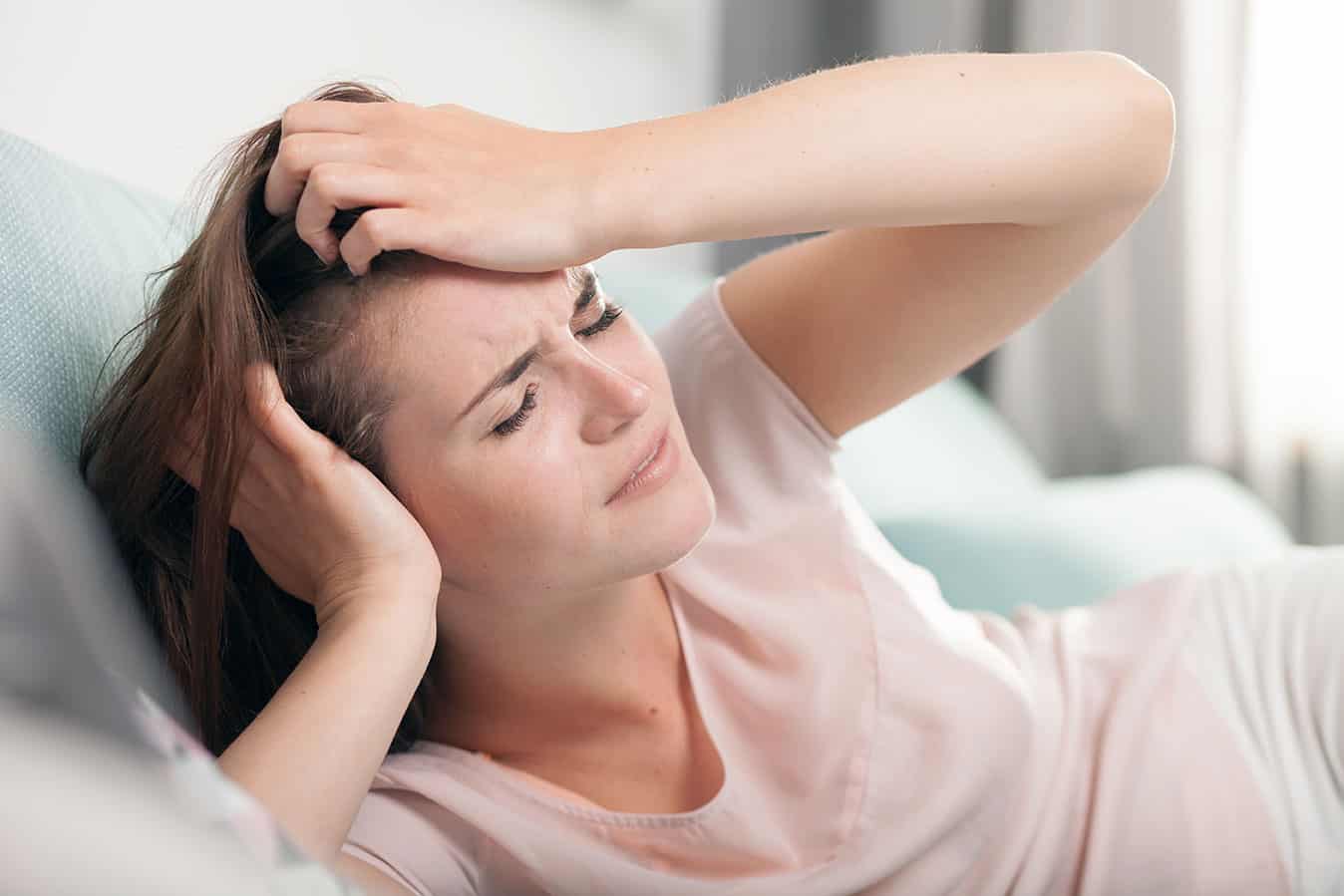
10 Migraine Myths
Migraine attacks affect millions of people, yet there are still many misconceptions surrounding this complex neurological condition. Many people assume migraines are simply severe headaches, but the reality is that they can involve a wide range of symptoms and triggers that go beyond head pain alone. Understanding the difference between common myths and the underlying neurological migraine causes can be an important step toward finding a more personalized approach to care. From misconceptions about what causes migraines to myths surrounding migraine relief and chiropractic care, we’ll break down 10 migraine myths you should stop believing.
Myth 1:
Migraines and Headaches are the Same
Many people use headaches and migraines synonymously when describing their pain to a doctor. Unfortunately, this can lead to confusion and make it more difficult to understand the true source of their symptoms. Understanding the differences between headache vs migraine symptoms is an important first step, as migraine attacks are a complex neurological condition that can involve more than just head pain. Along with headaches, migraines may include symptoms like nausea, vomiting, fatigue, and increased sensitivity to light, sound, or other sensory triggers.
Myth 2:
Migraine Attacks Always Occur with Visual Disturbances
Visual disturbances or aura like hazy vision, seeing wavy or flashing lights affect many migraineurs. However, it doesn’t mean that a migraine attack can’t happen without this specific symptom. According to the Migraine Trust Foundation, roughly 70-90% percent of migraine sufferers don’t experience aura. This type of migraine attack can last anywhere from four hours to a maximum of five days.
Myth 3:
Migraines Only Affect Women
Indeed, migraine episodes tend to occur more frequently in women than men. However, this doesn’t mean that only women suffer from this debilitating symptom. For the male population, migraine attacks have a prevalence rate of roughly 8.6%.
- Sage Journal: Migraine prevalence by age and sex in the United States
By age 10, most males tend to have a lower tendency of migraine episodes compared to females. This is primarily because of the estrogen level fluctuations in the females during the childbearing years. Estrogen level in the body is the main factor that influences the severity and frequency of menstrual and hormonal migraines in women.
Myth 4:
Taking Pain Medication is the Only Option
Surely, pain medications like NSAIDs provide quick relief from common migraine symptoms like headaches. However, it’s crucial to note that you have plenty of other options if you want to experience lasting relief from your migraine attacks. For example, you can visit a migraine chiropractor in Orem UT, make lifestyle adjustments, avoid migraine triggers, and allocate enough time to exercise.
Myth 5:
Changing Your Diet is Key to Eliminating Migraines
Many people notice that their migraines tend to worsen when consuming certain food items, including those containing a high amount of salt and preservatives. As a result, some believe that changing their diet alone can eliminate their migraine symptoms once and for all.
In truth, migraine is a highly complex neurological problem, so a simple diet shift isn’t enough to see lasting results. You may need to include other lifestyle changes like skipping alcohol, improving sleep quality, and managing stress.
Myth 6:
There's Only One Type of Migraine
Sadly, there are several types of migraines. They come with varying levels of intensity and severity. In most cases, patients who seek the help of a migraine chiropractor in Orem UT may suffer from migraines with or without aura. Knowing the key differences between these two and their sub-types can make a huge difference in managing your symptoms.
Myth 7:
Caffeine Triggers Migraine Attacks
Caffeine is a fascinating plant-derived substance because it can have varying effects on people who experience migraines. Some individuals notice that caffeinated beverages seem to worsen their symptoms, while others find that caffeine may temporarily help them cope. These different responses may be related to caffeine’s effects on blood flow and the nervous system. Because triggers can vary from person to person, understanding common headache triggers—including factors like caffeine intake, alcohol, genetics, stress, and lifestyle habits—can provide valuable insight into what may be contributing to recurring migraine symptoms.
Myth 8:
Migraines Only Occur in High-Stress Individuals
Truth be told, migraine attacks can happen to anyone. Stress is just one of the many migraine factors that can trigger an attack. This is why even the calmest person can experience severe bouts of migraine headaches. It’s important to know what triggers your episode so you can make the necessary adjustments to your lifestyle.
Myth 9:
Only Adults and Aging Folks Have Migraines
Did you know that migraine episodes are among the main reasons for pediatrician clinic visits? That’s because about 10 percent of school-age kids experience migraine episodes. It’s also quite prevalent in teenagers and young adolescents. While the symptoms may not be as worse as those experienced by adults, dealing with migraines in kids can be equally challenging, especially when kids don’t know how to express what they experience.
Myth 10:
Migraine Attacks Only Happen Once a Month
The most unfortunate fact about migraine attacks is that they tend to occur several times each month. If you have the chronic type, you might have up to 15 episodes lasting anywhere from a few minutes to a couple of days. It’s crucial to seek a sustainable remedy option from professionals like a migraine chiropractor in Orem UT so that you can curb the impact of your symptoms on your usual routine.
How Atlas Correction May Support Migraine Care
For those struggling with recurring migraines, finding the right approach often starts with understanding the factors that may be contributing to their symptoms. Because migraines are a complex neurological condition, addressing overall nervous system function and the relationship between the upper cervical spine and the body may be an important part of a more personalized care plan.
At Sound Corrections Chiropractic, Atlas Correction uses a gentle, precise approach focused on the upper cervical region—the area where the neck and head meet. This approach focuses on supporting proper alignment and nervous system communication through what we refer to as neurological migraine correction, helping address the connection between upper cervical function and recurring migraine patterns without twisting, cracking, or aggressive adjustments.
- Supporting healthier communication between the brain and body
- Reducing stress and tension related to the upper cervical region
- Supporting balanced movement, posture, and nervous system function
For individuals dealing with ongoing migraine challenges, Atlas Correction offers a different perspective by looking beyond temporary symptom management and focusing on the relationship between structure, function, and overall wellness.
Common questions
No. While head pain is a common migraine symptom, migraines are a complex neurological condition that can involve many other symptoms, including nausea, fatigue, sensitivity to light or sound, and changes in vision. This is why understanding the difference between headaches and migraines is important.
Yes. Some people experience migraine symptoms without the typical head pain associated with a traditional migraine attack. These experiences are sometimes referred to as silent migraines and may involve symptoms such as sensory changes, dizziness, or visual disturbances.
Stress can be one potential trigger for migraine symptoms, but it is not the only factor involved. Migraines may be influenced by many different factors, including sleep patterns, hormones, diet, environment, genetics, and nervous system function.
Many people find that healthy habits such as consistent sleep, proper hydration, regular meals, stress management, and identifying personal triggers can support better migraine management. However, recurring migraines may require a more personalized approach based on the individual’s symptoms and history.
Some individuals explore upper cervical care as part of a broader approach to migraine support. Atlas Correction focuses on the upper cervical region and is designed around gentle, precise care that considers the relationship between upper cervical function and nervous system communication.
Get a Better Understanding of Your Migraine Patterns
Migraines are complex, and finding the right approach starts with understanding the factors that may be contributing to your symptoms. At Sound Corrections Chiropractic, we take a personalized approach focused on nervous system function, overall wellness, and your unique health history.
If you’re ready to explore your options and learn how care may fit into your health goals, get started with care today.
Get Started With Care