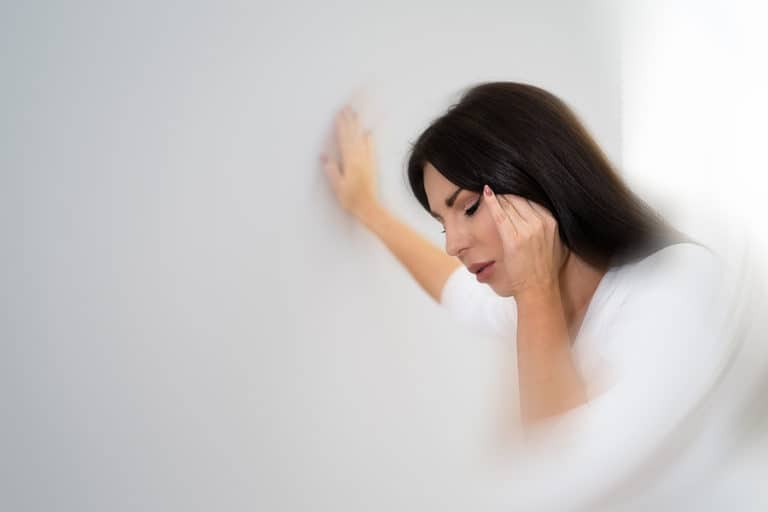
The Struggles of Vertigo in Everyday Life
A fun trip to an amusement park is always a treat, especially when you go with your loved ones. You try out various foods and enjoy thrilling rides that leave your head spinning. Unfortunately, for people who deal with vertigo attacks, the whirling sensation might trigger panic and anxiety.
Unlike riding roller coasters and Ferris wheels, vertigo episodes are not fun. People with this symptom do not feel excitement nor want to experience the spinning sensation again. However, they might find the latter challenging since slight head movements can easily trigger vertigo.
Patients who look for vertigo relief mostly complain about neurological dizziness and brain fog and a false sense of motion, which are the key characteristics of a vertigo episode. These traits get in the way of their regular routines.
If you have vertigo, you might have a slightly different experience from other sufferers. This is because your attacks can either be intermittent or chronic, depending on the cause.
- Poor balance
- Swaying or tilting to one side
- Nausea and vomiting
- Cold sweats
- Painful headaches
- Abnormal eye movements (nystagmus)
- Tinnitus or hearing problems
While may symptoms such as these are commonly associated with vertigo, they can also be an sign of a deeper underlying illness or inner ear problem.
What Causes Vertigo?
If you’ve experienced a sudden uncontrollable spinning feeling, you might have wondered about the reason for this panic-inducing episode.
You probably searched for your symptoms online after recovering from the dizziness and found several possible causes, like migraines and head or neck injuries. You might have read that vertigo is a symptom of brain tumors or stroke. You end up getting more stressed with what you found.
Don’t worry, though– your case is more likely different and much less complicated. More often than not, vertigo is a result of an inner ear issue.
Common Inner Ear Problems Leading to Vertigo
The inner ear is a vital component of the vestibular system, along with the brainstem. It’s mainly responsible for how we process movements and maintain balance. So, if any problem arises from its two main parts, balance issues like vertigo will surely follow.
Meniere’s Disease
Many of those who seek vertigo relief in Orem are patients with Meniere’s disease. Meniere’s is an outcome of fluid regulation issues in the inner ear. If you have Meniere’s, you may also experience hearing problems along with vertigo and other balance issues.
Labyrinthitis
Labyrinthitis refers to the inflammation of the labyrinths in the inner ear. This can occur due to infections and may also impact the vestibular nerve, which in turn causes vestibular neuronitis. Any inflammation in or near the inner ears can lead to balance issues and vertigo.
Benign Paroxysmal Positional Vertigo (BPPV)
BPPV is the most common out of all the possible reasons for vertigo, and it occurs when the tiny crystals in your inner ears shift out of place. If you have BPPV, you may experience incapacitating vertigo episodes after a mere head movement.
Natural Care Options for Vertigo
Generally, vertigo just disappears after some time. However, if you experience chronic bouts of this symptom, you would want to find a quick way to be free from it.
Customarily, doctors would prescribe anti-inflammatory drugs or medications to prevent nausea and vomiting, depending on the cause of your vertigo attacks. Surgery might be the last resort for extremely rare cases.
However, if you have BPPV, these three natural care options can work best for you.
Vestibular Rehabilitation
Vestibular rehabilitation (VR) is a form of physical therapy that focuses on improving your vestibular system. VR can help stabilize your visual and balance communications, which can significantly enhance your vertigo episodes and other balance issues after a series of sessions.
Canalith Exercises
As mentioned above, BPPV often results from the movement of tiny inner ear crystals or canaliths. Canalith repositioning exercises can return these crystals into their original places, potentially reversing the effects of vertigo.
Upper Cervical Chiropractic Care
The relationship between the upper cervical spine and the balance system is an important area to consider when exploring vertigo symptoms. The upper neck plays a role in posture, movement, and communication between the brain and body, and changes in this region may influence how the body processes signals related to balance and coordination.
Because the upper cervical spine is located close to the brainstem and structures involved with balance, some individuals explore upper cervical chiropractic care as part of a personalized approach to addressing recurring vertigo challenges.
At Sound Corrections Chiropractic, we use a specific upper cervical technique called Atlas Correction. This gentle, precise approach focuses on the upper cervical region without twisting, cracking, or aggressive adjustments. Through careful evaluation, we look at how the upper cervical spine and nervous system may be influencing your overall function and create a care plan based around your individual needs.
For individuals exploring upper cervical vertigo support, Atlas Correction provides a focused approach that looks at the relationship between upper cervical function, nervous system communication, and overall wellness.
Common questions
Some natural strategies that may help support vertigo management include staying hydrated, prioritizing healthy sleep habits, reducing stress, identifying personal triggers, and making lifestyle adjustments that support overall wellness. Because vertigo can have many different contributing factors, understanding your individual symptoms is an important part of finding the right approach.
Lifestyle changes may help some individuals better manage their symptoms by supporting balance, energy levels, and overall health. Tracking when vertigo occurs and identifying patterns can also provide helpful information when exploring potential causes or care options.
Vertigo can occur for many different reasons, including issues related to the inner ear, nervous system, sensory processing, or other health factors. Since the cause can vary from person to person, a personalized evaluation may help determine what factors could be contributing to your symptoms.
Some individuals explore upper cervical care as part of a personalized approach to vertigo support. Because the upper cervical region plays a role in posture, movement, and communication between the brain and body, approaches like Atlas Correction focus on evaluating this area and supporting optimal function.
If vertigo attacks continue, become more frequent, or interfere with your daily activities, it may be helpful to explore additional support. Understanding your symptoms and potential contributing factors can help you make more informed decisions about your care options.
Find Support for Your Vertigo Symptoms
Vertigo can interfere with your daily life, but understanding the factors that may be contributing is an important first step. At Sound Corrections Chiropractic, we take a personalized approach focused on nervous system function and overall wellness.
If you’re ready to explore your options, get started with care today.
Get Started With Care