Perfect Posture is Dynamic
Is there such a thing as perfect posture? The answer may surprise you. The latest research shows that it’s actually more beneficial to think about your posture as dynamic, not static. In other words, your ideal posture is constantly changing and evolving.
The Negative Effects of Poor Posture
Think of your posture as a dynamic pattern of responses, reflexes, and habits–not just as a fixed position.
Gravity, your work environment, and your body’s anatomy all play essential roles. For instance, sitting for hours at a time staring at a computer screen is a perfect example of a damaging static posture that over time can lead to the development of chronic forward head posture.
Gravity, your work environment, and your body’s anatomy all play essential roles. For instance, sitting for hours at a time staring at a computer screen is a perfect example of a damaging static posture that over time can lead to the development of chronic forward head posture. Understanding the postural causes of chronic neck tension can also help explain why prolonged positions and altered movement patterns may contribute to recurring neck discomfort.
Forward head posture affects millions of people who spend their days using computers and has the potential to cause pain and degenerative changes in your spinal joints. It places stress on the neck and shoulders and weakens the supporting muscles.
- Forward head posture affects millions and results in neck pain for up to 75% of those affected.
- Neck pain, tension, stiffness, and tenderness are all signs of chronic forward head posture.
- Trapezius strengthening has been shown to provide clinically significant relief for those struggling with neck pain as a result of forward head posture.
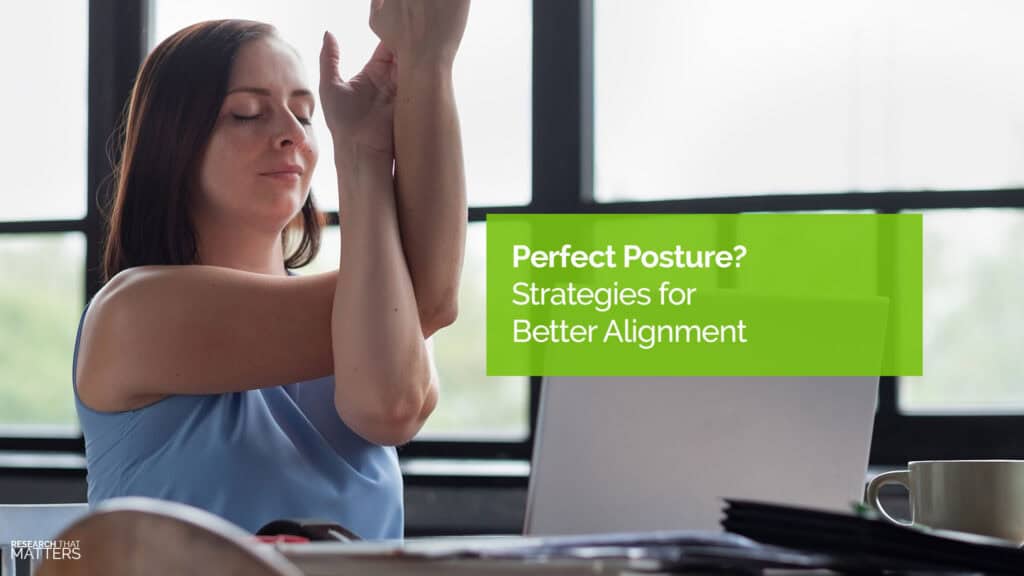
If you spend long hours each day in a single position (such as sitting at a computer) it’s important to take the time to take periodic breaks to stretch and move your body.
Remember, posture is dynamic, and stretching can help not only “reset” your posture, but also help keep your spine healthy and your energy levels up!
Scheduling a posture and movement assessment with us is also a smart idea to help ensure you remain as pain-free as possible no matter how you spend your days.
How to Improve Your Posture
When discussing posture, we’re often referring to the overall position of your body as you stand, sit, or lie down.
Most experts would agree that a “good” overall posture involves physical positions that reduce stress on the body by balancing the load placed on the muscles and ligaments that support the spine.
If you’ve looked in the mirror and noticed that your posture doesn’t look as balanced as you’d like–not to mention, doesn’t feel as balanced as you’d like–you may be wondering what you can do to improve it.
Healing Through Motion
One of the best ways to improve your posture is through motion.
Changing positions frequently during the day, stretching, and specific postural exercises are all ways to improve your posture.
Good posture helps you maintain better alignment of your bones and joints, which may reduce unnecessary wear and tear and decrease strain on the muscles and ligaments that support your spine. Over time, consistently poor movement patterns can contribute to postural stress and lower back dysfunction, particularly when your body repeatedly compensates for imbalances during sitting, standing, or everyday activities.
- Good posture means keeping your spinal curves aligned and weight evenly distributed.
- Stretches and exercises can help improve your posture and reduce your risk of neck and back pain.
- Standing desks have been shown to reduce back pain by over 30% when compared to sitting at a desk.
When creating a plan to improve your posture, remember that stretching and exercising are essential. Equally important is knowing where to start.
Our postural and movement assessments can help you determine the best strategy to help balance and improve your posture, especially if you’ve been living with pain.
How Your Smartphone Impacts Your Posture
Believe it or not, many of us spend 3 hours or more per day on our smartphones. That adds up to over 1,000 hours each year! And the positions we tend to hold our heads in while using our devices can be, well… damaging. Damaging to your posture, and damaging to your spine. It’s not surprising that over the past few years, an uptick of these awkward positions has led to an uptick in head and neck pain.
"Tech Neck"
It’s estimated that tilting your head forward, even just 15 degrees, can triple the weight of your head on your neck. In fact, tilting your head forward 60 degrees can increase the stress and strain on your neck ten times over.
Repeating this forward head posture again and again over time can result in pain, stiffness, dysfunction, headaches, and more–a group of symptoms often referred to as “Tech Neck.”
The good news about postural stress and “Tech Neck” is that a few simple changes to your routine can help you reduce your risk of experiencing pain.
- "Tech Neck" is the term used to describe the flexed head and neck position that occurs when looking down at your smartphone.
- Just 15 degrees of forward bending can increase the stress of your head on your neck three times over.
- Taking breaks every 15 minutes and looking up from your phone or tablet can help your body reset and give your muscles a chance to relax.

Know that reducing your “Tech Neck” symptoms involves more than just changing the angle you look at your phone. Proper ergonomics and regular stretching and exercise all play significant roles in helping you continue to enjoy your favorite devices without those nagging pains.
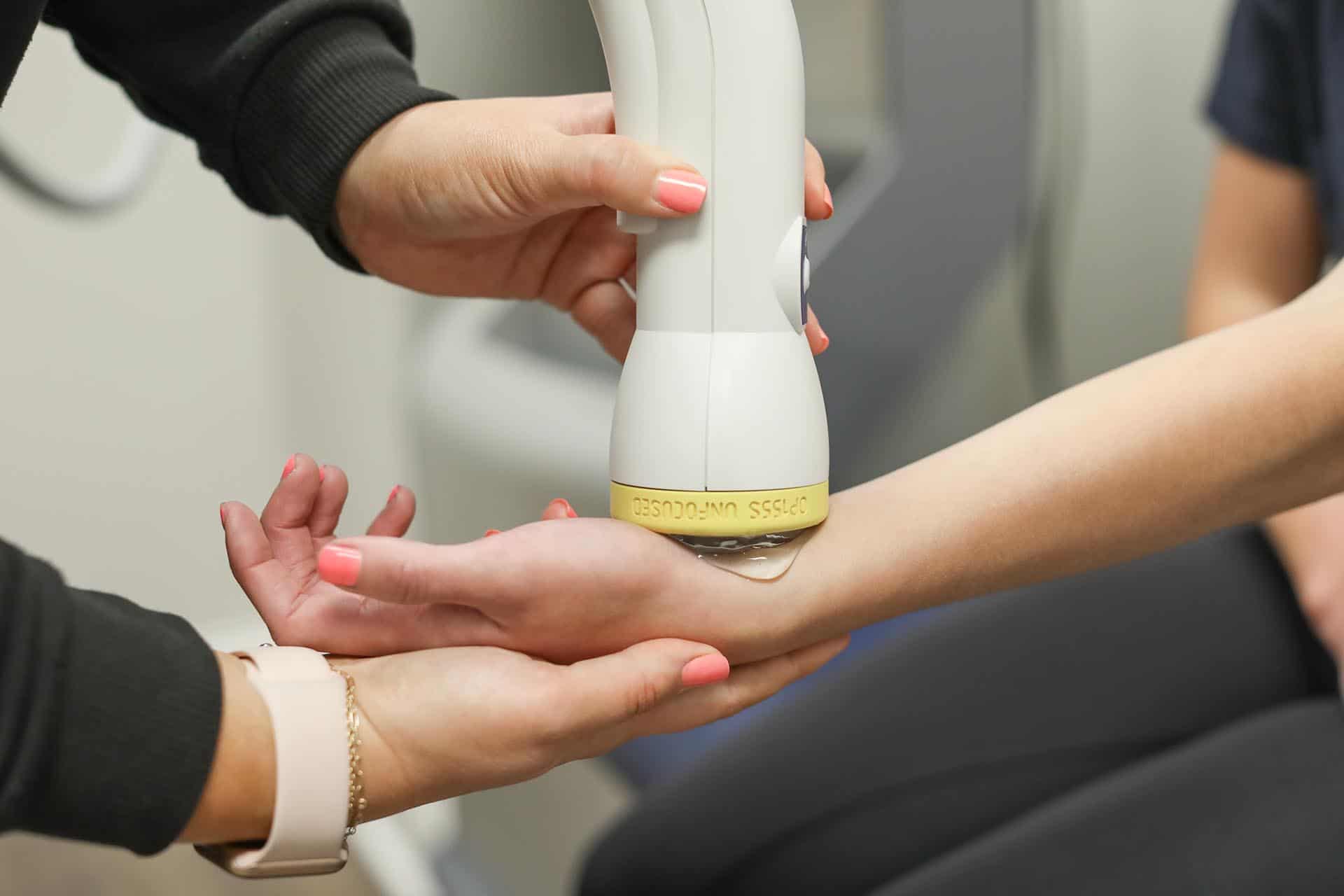
If you’ve been living with “Tech Neck” and are ready to take action, you’ve come to the right place! Our expert team can evaluate your posture and movement and create a personalized plan based on your needs. And if your neck is already sore, stiff, or particularly sensitive, you may appreciate gentle posture-focused chiropractic care as part of that plan. The Activator Method uses a handheld instrument to deliver a controlled, low-force adjustment, offering an option for people who prefer a gentler approach to chiropractic care.
Posture: Balancing Strength and Flexibility
Both strength and flexibility play a significant role in how your posture develops.
For instance, having both a strong and flexible core helps the body to dynamically adapt to every environment. The spine is not only supported but also moves well, reducing the possibility of injury or pain. While it’s true that “perfect” postures may not exist, improving our strength, flexibility, and ergonomics goes a long way towards improvement.
Don't Wait to Get Care
Your body is dynamic, and it’s designed to move, but over time it may feel a bit less dynamic than it used to!
Getting into a wellness routine that includes exercises that focus on strength and flexibility is a smart way to keep your body feeling young while promoting good posture–a true win-win.
Strengthening exercises can help develop proper support for your joints and decrease overall postural stress. Incorporating stretches and exercise that focus on flexibility then help you body maintain the ability to move through its full range of motion.
- When you focus on increasing muscular flexibility, your posture is likely to improve.
- Lifting weights strengthens your back, shoulder, and core muscles, which are all essential to standing with proper posture and preventing lower back pain.
- Stretching your muscles and joints also leads to a greater range of motion, improved balance, and increased flexibility.
Remember, postural stress can add up over time. Just because you’re not currently in pain doesn’t mean that everything is functioning at its highest level or that your daily wellness routine is as optimized as it could be.
Our team specializes in comprehensive, individualized care plans that may incorporate movement assessments, exercises, stretches, and specific chiropractic care. For patients who may benefit from a more targeted upper cervical approach, structural alignment and nervous system balance can be an important part of supporting healthy posture and overall function.
If you’d like to learn more about how we can help you improve your movement, posture, and overall wellness, schedule an appointment with our team. We’re here to help you build a healthier foundation for the way you move every day.
Common questions
Poor posture can develop from prolonged sitting, repetitive activities, limited mobility, muscle weakness, and habits such as spending long periods looking down at a phone or computer. Multiple factors can contribute, so improving posture often involves more than simply “sitting up straight.”
Poor movement patterns and prolonged postures can place additional stress on muscles and joints, potentially contributing to neck, back, and shoulder discomfort. However, pain can have many possible causes, so a proper evaluation is important when symptoms persist.
Regular movement, strengthening, stretching, ergonomic adjustments, and taking frequent breaks from prolonged sitting can all support healthier posture. Becoming more aware of how you sit, stand, work, and use digital devices can also help you develop better movement habits.
Chiropractic care may support healthy posture by addressing movement restrictions, joint function, and other factors that can affect how your body moves. A personalized evaluation can help determine which approaches may be appropriate for your individual needs.
There isn’t a single schedule that applies to everyone. An evaluation may be helpful if you notice recurring discomfort, restricted movement, changes in posture, or difficulty maintaining healthy movement patterns during work, exercise, or daily activities.
Support Better Posture and Movement
Good posture isn't about holding your body perfectly still all day. It's about having the mobility, strength, and movement patterns that allow your body to function comfortably through everyday activities. If poor posture, stiffness, or recurring discomfort is making it difficult to move the way you'd like, a personalized evaluation can help identify areas that may need attention.
At Sound Corrections Chiropractic, we use movement and postural assessments to better understand how your body is functioning and create a care plan based on your individual needs.
Ready to take the next step? Get Started with Care today.
Get Started With Care