Trigeminal neuralgia is often described as one of the most intense types of nerve pain. Sudden, sharp, electric-like sensations in the face can be triggered by something as simple as talking, eating, or even a light touch.
Because the symptoms are so severe, many people focus entirely on managing pain. But understanding why jaw-related nerve irritation is so sensitive can open the door to a different kind of support.
The trigeminal nerve is responsible for sensation in the face and plays a key role in how the brain processes facial input.
When this nerve becomes irritated or hypersensitive, it can lead to:
Sudden bursts of pain
Heightened response to normal stimuli
Unpredictable flare-ups
This sensitivity often reflects how the nervous system is regulating signals overall—not just the nerve itself.
Many individuals with trigeminal neuralgia also experience cranial nerve headache symptoms, including facial pressure, sharp head pain, sensory sensitivity, and neurological discomfort that may overlap with chronic migraine-related patterns.
The Brainstem Connection
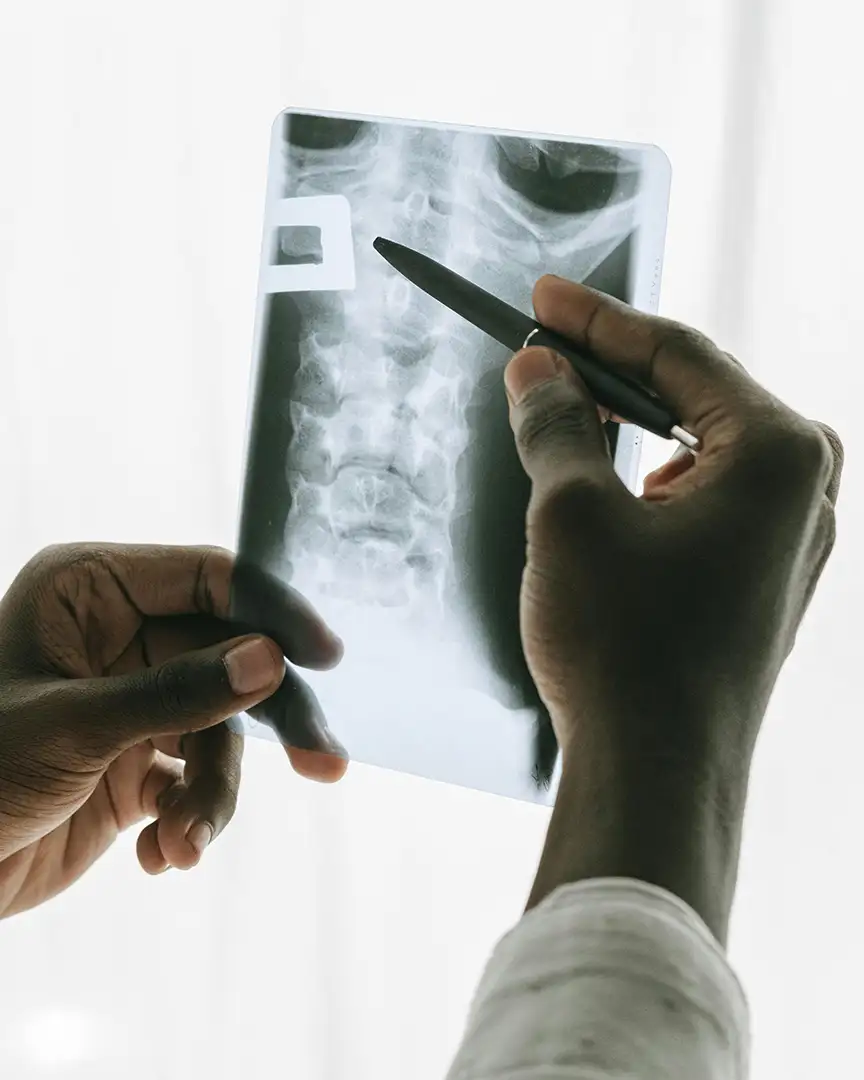
The trigeminal nerve connects directly to areas near the brainstem, which sits at the top of the spine.
This makes the upper cervical region especially important.
If this area is not functioning properly, it may contribute to:
Increased nerve sensitivity
Altered signal processing
Difficulty calming irritated pathways
Ongoing flare patterns
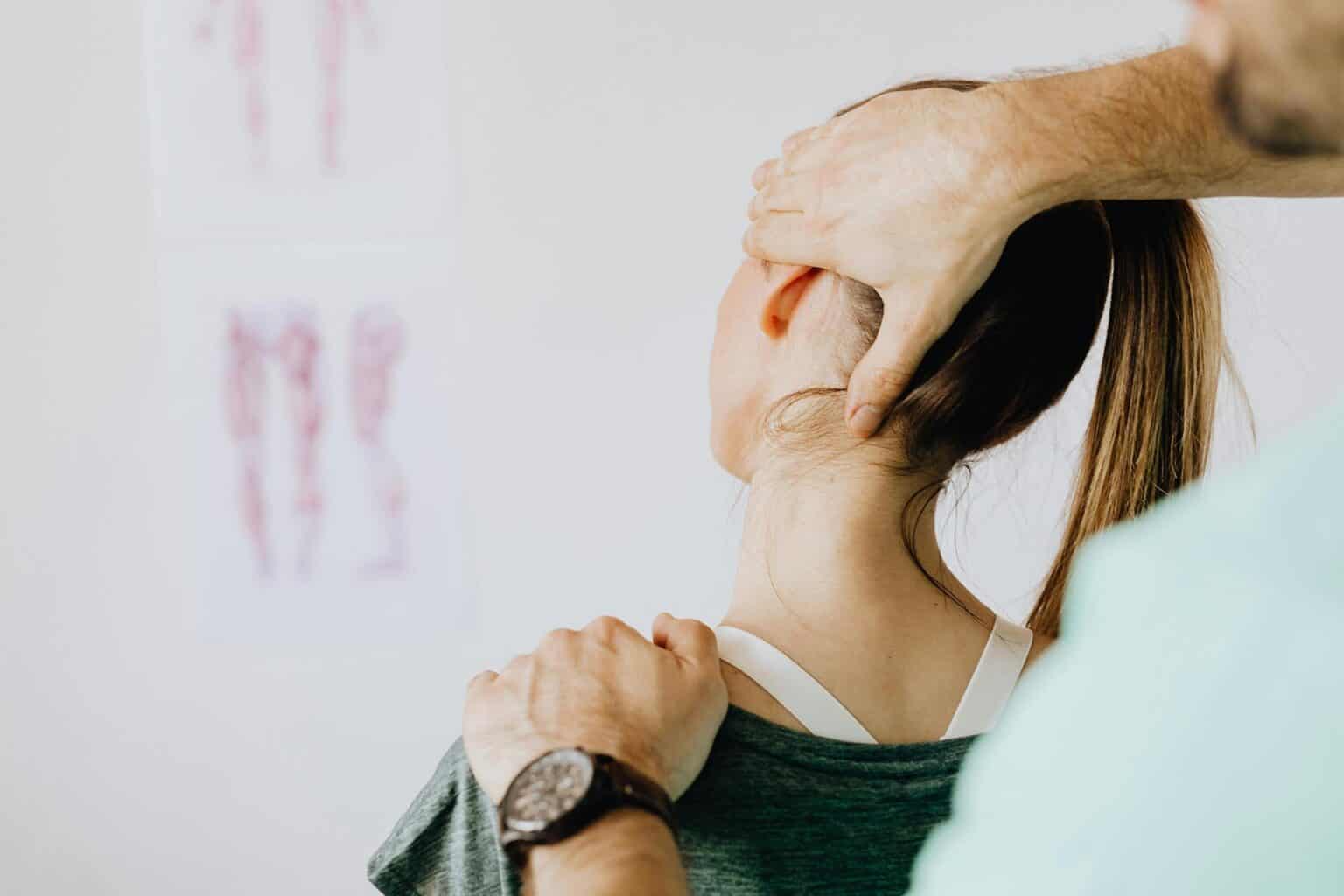
Upper cervical care focuses on restoring balance in this region to support more stable neurological function. Our approach may include neurological cervical correction to help support proper upper cervical alignment and reduce mechanical stress that can contribute to ongoing cranial nerve irritation.
Supporting a Calmer System
Instead of trying to “block” pain signals, this approach focuses on:
Improving how the nervous system regulates input
Reducing overall sensitivity
Supporting more stable communication pathways
This can help the body become less reactive over time.
What People Often Notice
Patients dealing with trigeminal neuralgia may report:
No. This approach focuses on supporting nervous system function.
Is it safe with severe nerve pain?
Yes. Care is extremely gentle and does not involve forceful manipulation.
Will this replace medication?
No. It is designed to complement existing treatment.
Take the Next Step TowardRelief
If facial nerve pain has been limiting your daily life, supporting how your nervous system functions may help you find more stability. Let’s explore your options together.