
Sports & Overuse Injuries
Sports injuries and repetitive overuse strain can place significant stress on the muscles, joints, soft tissues, and nervous system. Whether caused by athletic activity, repetitive movement patterns, exercise-related strain, or physically demanding daily activities, these injuries may contribute to chronic tension, inflammation, mobility restrictions, and ongoing discomfort.
At Sound Corrections, we take a comprehensive approach to sports and overuse injury recovery by focusing on structural mobility restoration, soft tissue function, nervous system support, and recovery-focused care.
Many patients seek care for concerns involving joint irritation, muscle tension, repetitive strain, mobility limitations, radiating discomfort, recovery challenges, or chronic movement dysfunction that develops over time through sports participation or repetitive physical stress.
Our goal is to help support healthier movement patterns, mobility, recovery, and overall physical function through individualized care plans designed around each patient’s specific needs and activity demands.
How Sports & Overuse Injuries Affect the Body
Sports injuries and repetitive strain conditions often involve more than a single injured area. Over time, the body may develop compensation patterns involving:
- Muscular tension and imbalance
- Joint stiffness and restricted movement
- Scar tissue buildup
- Fascial restriction
- Mobility limitaitons
- Structural instability
- Nervous system stress
- Inflammation and tissue irritation
- Reduced flexibility and recovery capacity
Athletes and active individuals commonly place repeated stress on the same muscles, joints, and movement patterns, which may gradually contribute to radiating structural pain symptoms, chronic irritation, and dysfunction.
- Shoulder tension and overuse
- Knee discomfort
- Hip tightness
- Low back strain
- Neck tension
- Tendon irritation
- Repetitive movement injuries
- Mobility restrictions
- Recovery challenges following physical activity
Because every injury and movement pattern is different, care recommendations are individualized based on the patient’s activity level, structural findings, and recovery goals.
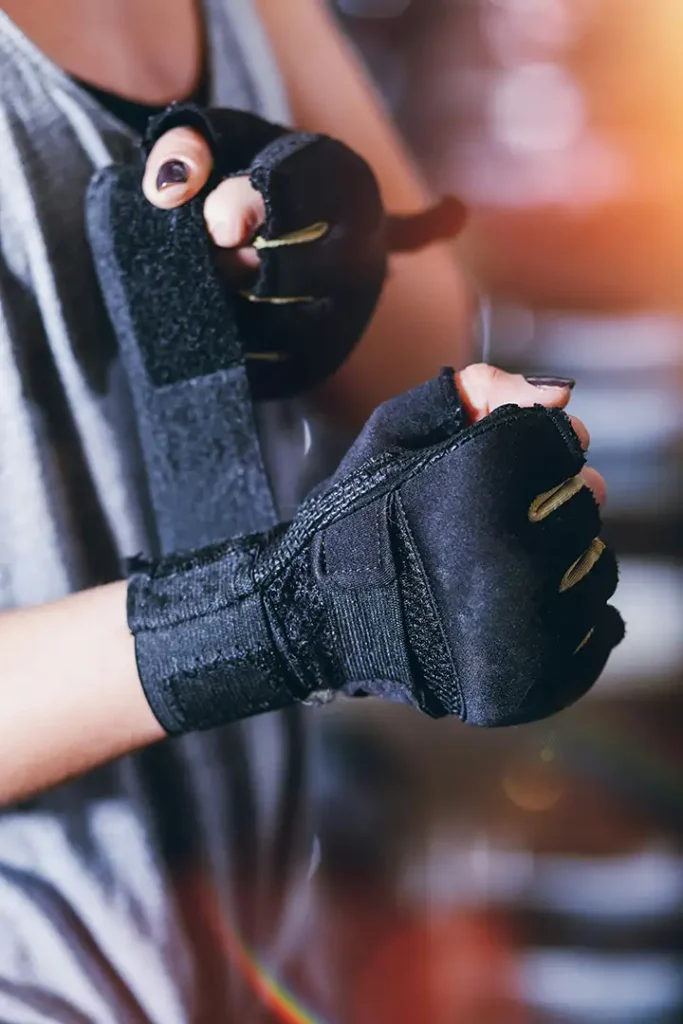
Supporting Mobility & Structural Recovery
Mobility restrictions and structural imbalance can affect how the body moves, adapts, and recovers from physical stress.
- Joint flexibility
- Soft tissue mobility
- Movement efficiency
- Recovery following repetitive strain
- Reduced muscular tension
- Improved biomechanics
- Overall physical adaptability
At Sound Corrections, our approach focuses on identifying areas of restriction, tension, and movement dysfunction that may contribute to chronic stress and recurring or persistent structural pain patterns.
By improving mobility and structural balance, many patients are able to support healthier movement patterns and long-term physical function.
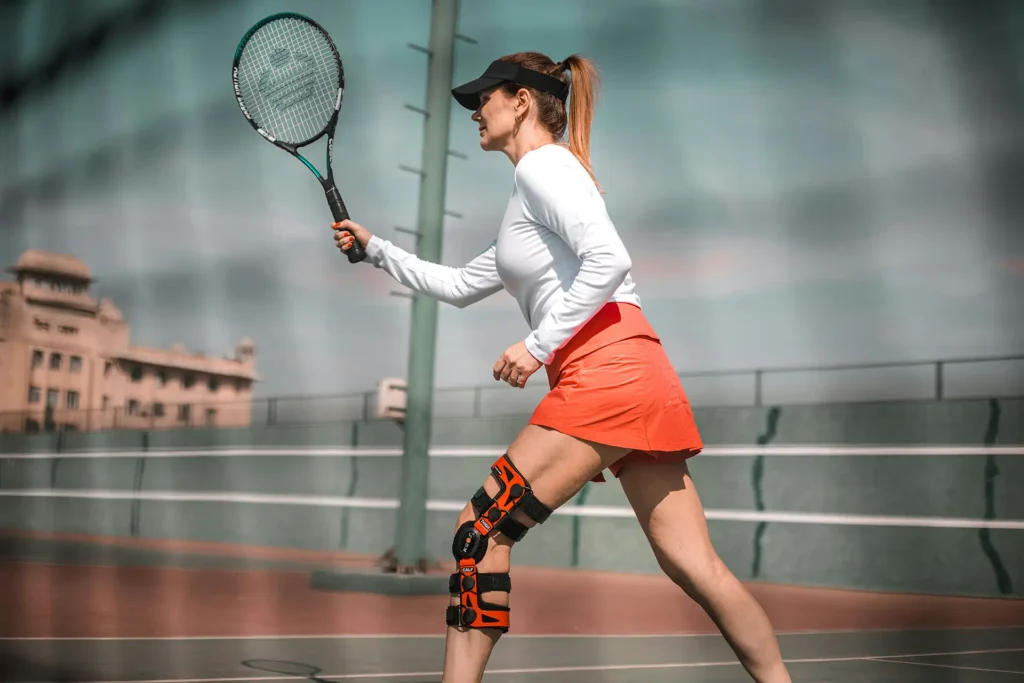
Soft Tissue Recovery & Circulation Support
Overuse injuries and sports-related strain often involve soft tissue irritation, inflammation, scar tissue buildup, and reduced circulation.
Many active individuals seek regenerative pain recovery therapy, such as advanced soft tissue recovery support, and mobility-focused care designed to help support:
- Tissue recovery
- Circulation and lymphatic flow
- Flexibility and movement
- Recovery following physical stress
- Reduced tissue restriction
- Overall recovery support
Some patients also experience radiating structural pain symptoms or chronic muscular compensation patterns related to repetitive strain and long-term mobility dysfunction.
Because recovery often involves both structural and soft tissue components, integrated recovery approaches are commonly used to support healing and movement.
Nervous System Function & Athletic Recovery
The nervous system plays a major role in coordination, movement efficiency, muscular control, balance, reaction time, and overall physical adaptability.
When the body experiences chronic structural stress or repetitive strain, nervous system tension patterns may contribute to reduced movement quality, mobility restrictions, muscular imbalance, and prolonged recovery challenges.
- Structural balance
- Coordination and movement
- Mobility and flexibility
- Recovery efficiency
- Nervous system regulation
- Overall physical performance and adaptability
Our approach emphasizes supporting long-term function and recovery with athletic nervous system recovery support rather than simply masking symptoms.
Common Causes of Sports & Overuse Injuries
Sports and repetitive strain injuries may develop from a variety of contributing factors.
- Repetitive movement patterns
- Poor biomechanics
- Structural imbalance
- Overtraining
- Inadequate recovery
- Mobility restrictions
- Previous injuries
- Scar tissue buildup
- Postural strain
- Reduced flexibility
Even daily activities such as prolonged sitting, repetitive work tasks, lifting, exercise, or technology use may contribute to ongoing muscular and structural stress over time.
Addressing these contributing factors may help support healthier movement patterns and reduce ongoing physical strain.

A Comprehensive Recovery-Focused Approach
At Sound Corrections, we recognize that sports injuries and repetitive strain conditions often involve multiple overlapping structural, neurological, and soft tissue factors.
- Structural alignment
- Mobility restoration
- Soft tissue recovery
- Circulation support
- Nervous system balance
- Recovery-focused rehabilitation
Many patients combine chiropractic care, mobility-focused therapies, and regenerative pain recovery therapy to help improve movement quality, tissue function, flexibility, and overall physical resilience.
Because every patient’s goals and recovery needs are different, treatment recommendations are individualized based on the patient’s condition, activity level, and long-term function goals.
Your plan may include



Not everyone needs everything. The point is to pick the right tools for your case.
Common questions
We don’t promise to “regenerate” discs. What we can do is use gentle chiropractic + supportive therapies to help reduce irritation, support healing, and improve function. Many people feel meaningful improvement with the right plan.
No aggressive twisting is required. Our approach is gentle and specific.
It depends on how long this has been going on, how intense symptoms are, and how your body responds. We’ll outline a plan after your exam and adjust as we track progress.
Tell us. We’ll screen you carefully, and if there are red flags we’ll refer you out promptly.
Begin Your Recovery & Mobility Plan
If you are looking for a more comprehensive approach to sports injury recovery and overuse-related mobility challenges, our team is here to help you explore whether care may be appropriate for your recovery goals.
Get Started Today